

Don’t Be Afraid, Drink Me. A Retrospective on American McGee's Alice
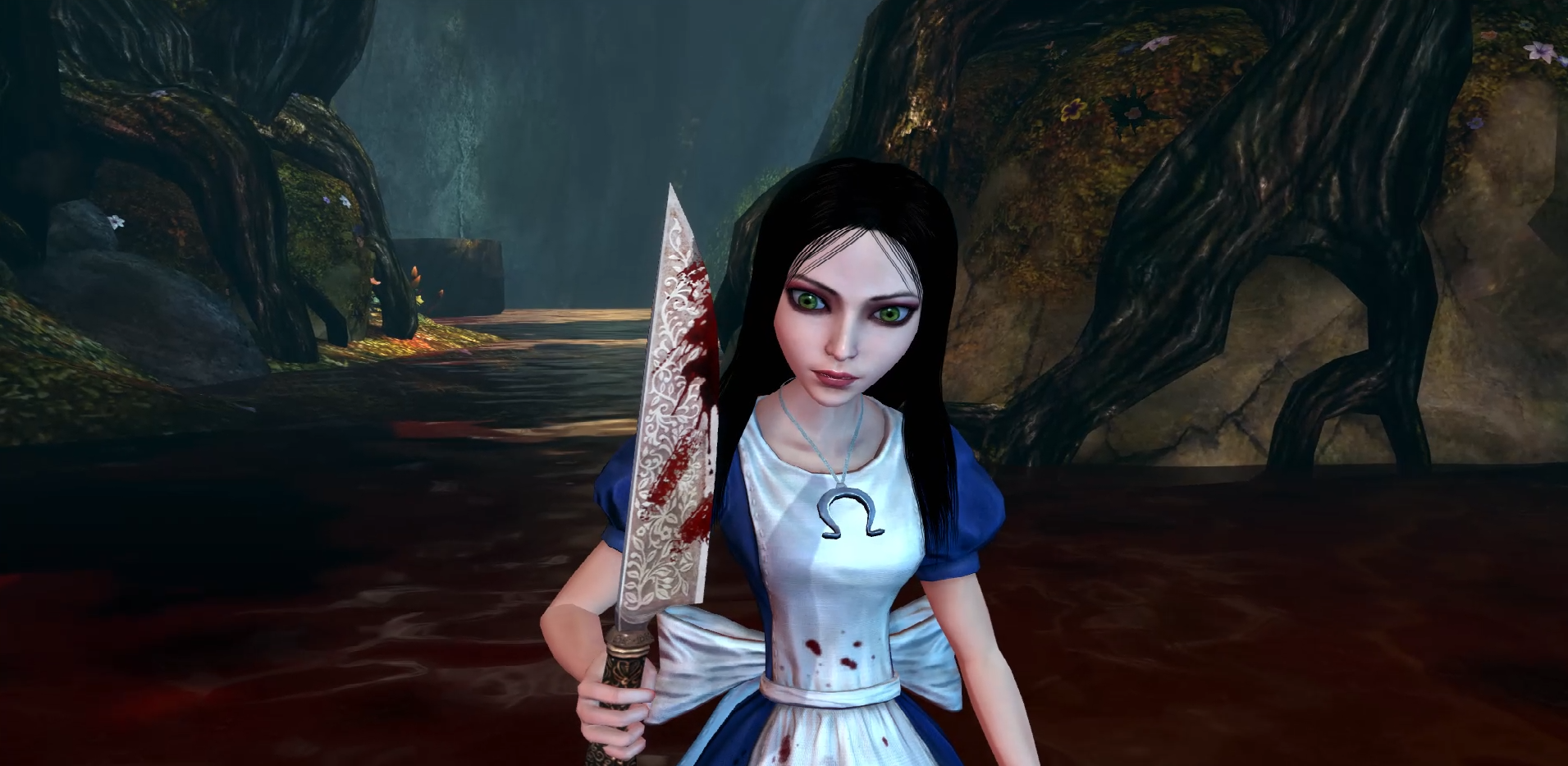
A Twisted Take on Madness
It all began with one TikTok video. Vaguely familiar music played, accompanied by what appeared to be distorted images of Wonderland. Then, more videos followed. I see familiar striking green eyes and jet-black hair. But what really transported me back were the words “My mind is in ruins.” How could I forget about American McGee's Alice?
McGee’s work first caught my attention not at a video game store but at Hot Topic. Promotional T-shirts were being sold, and I couldn't get the image out of my head. A silhouette of the Cheshire Cat bearing a huge, menacing grin with equally menacing yellow eyes. Their marketing was clever. Think about it. During this time, the malls were filled with misfit kids wearing chains, Tripp NYC pants, spike collars, and graphic t-shirts that served as billboards for music and other interests. What better way to invite a mall goth kid fascinated by Marilyn Manson, with an appreciation for the creepy and bizarre, to this twisted Wonderland? Thus, horror game history was made on October 6th, 2000.
American McGee's Alice is a third-person action/horror game developed by American McGee's Alice is a third-person action/horror developed by Rogue Entertainment and published by Electronic Arts (EA). Let’s be clear, the creator is American McGee, as stated on the title. You play as Alice Liddell, an orphan girl struggling with mental health. She is manipulated into believing she is rotten, leading to her own torment. Who can relate to feeling like a bad person and coping with trauma? Raise your Vorpal Blade. She finds herself in a whimsical yet dark Wonderland, a reflection of her own mental state. In this world, she discovers fragments of herself that ultimately make her whole and reveal a painful, more frightening reality. For clarity, I am discussing both Alice and Alice: Madness Returns as one entity. I want to emphasize the significance of this franchise rather than explain the storyline of each title. I could easily write a dissertation for each, so let’s not go down that rabbit hole. lol
Although the gameplay, characters, and overall world are worthy of praise, I would like first to emphasize the game’s heavy topics. Abandonment, child abuse, sexual assault, survivor’s guilt, and other traumas were presented in a way that didn’t overwhelm. American McGee was also ahead of his time, as he made Alice realistic. Meaning that even though this character was dealing with mental illness, it demonstrated how she was a victim of violence rather than being a perpetrator of it. He emphasized that being mentally ill does not inherently make someone violent or a threat to society. It was clear the story was about exploitation more than anything else. As McGee expressed, he aimed to ensure that marginalized individuals felt recognized and valued. As a pansexual person and a survivor of child abuse himself, he skillfully created a world and a main character with whom many can identify, myself included, for better or for worse.

If you enjoy engaging storytelling, this game is for you. Throughout parts 1 and 2, you can see how Alice evolves as a person. Each level presents new challenges and offers different rewards. One particular element of the game that I really enjoyed was how you’re tasked with exploring worlds to find fragments of memories. These memories manifest in many ghostly forms, such as a house, a syringe, or a pair of glasses. Each ghostly image represents memories tied to specific people from her life. As you collect each memory, you gain a deeper understanding of yourself. Initially, it’s easy to find the memories, but as you continue to play, it becomes clear that you must invest more effort to collect them.
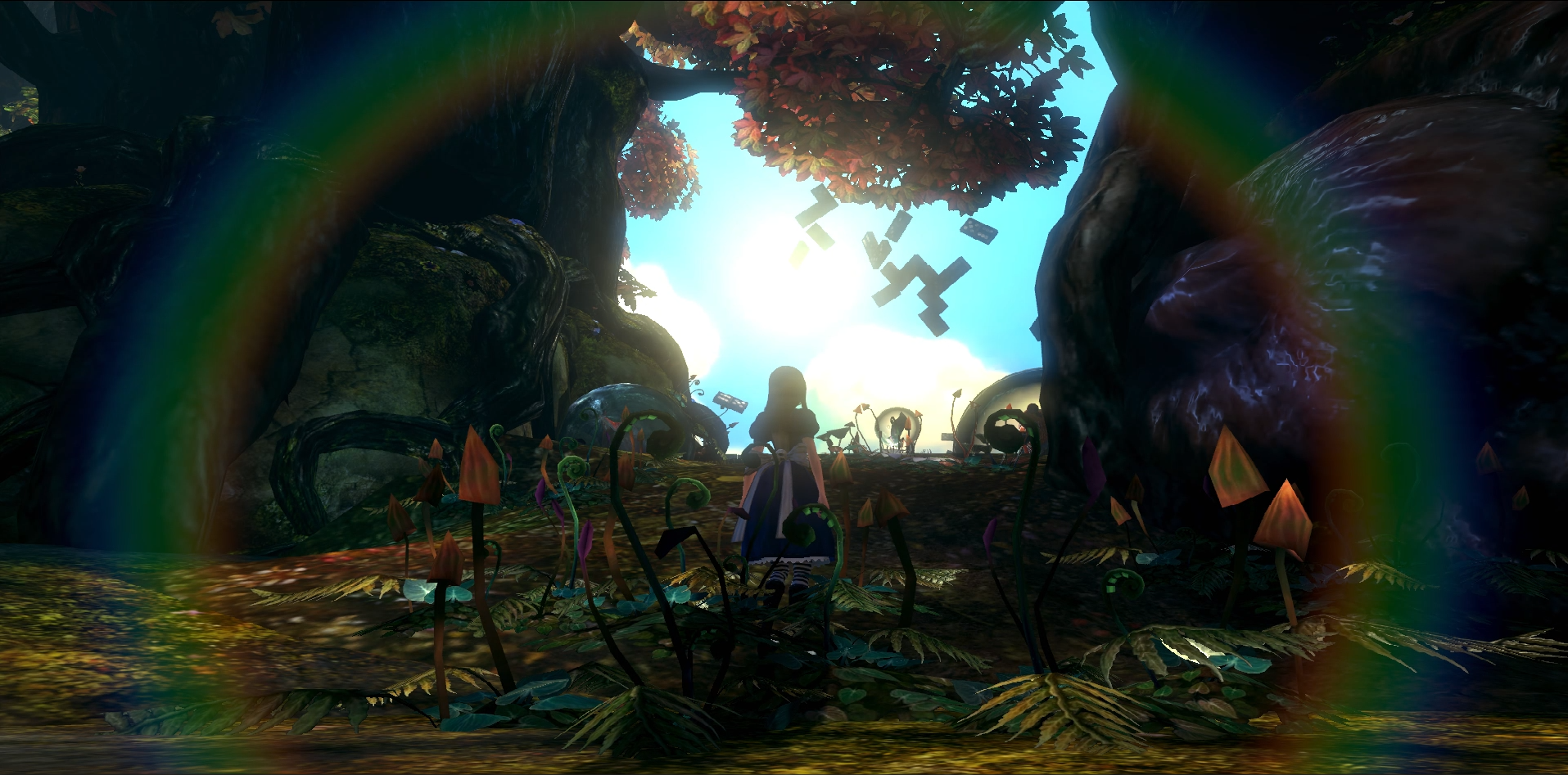
With a solid story comes gorgeously designed levels with creative themes. Refer to the Dollhouse, Mad Hatter’s Domain, and the Vale of Tears. This is one of the few games where I paused to explore the world purely for the joy of discovery, without worrying about my progress. The bodies of water, the butterflies, the open skies, the imposing trees, and the sound of water spoke to me. In case you’re wondering, yes, Vale of Tears is one of my favorite places to vibe in. Speaking of vibes, the soundtrack is equally gorgeous, and I wish I had a vinyl copy.
A cool aspect is witnessing how the Vale of Tears transitions from a paradise of lush greenery, pastel flowers, and rich blue skies to orange smog-like skies, where rugged rocks replace the lush greenery, and the water becomes black, lava-like oil. It goes from Eden to Eden right before the Apocalypse. The more challenging the world becomes, and the more terrifying the enemies evolve, the more tormented you feel. No one said facing your traumas was easy. The road to therapy is a challenging game.
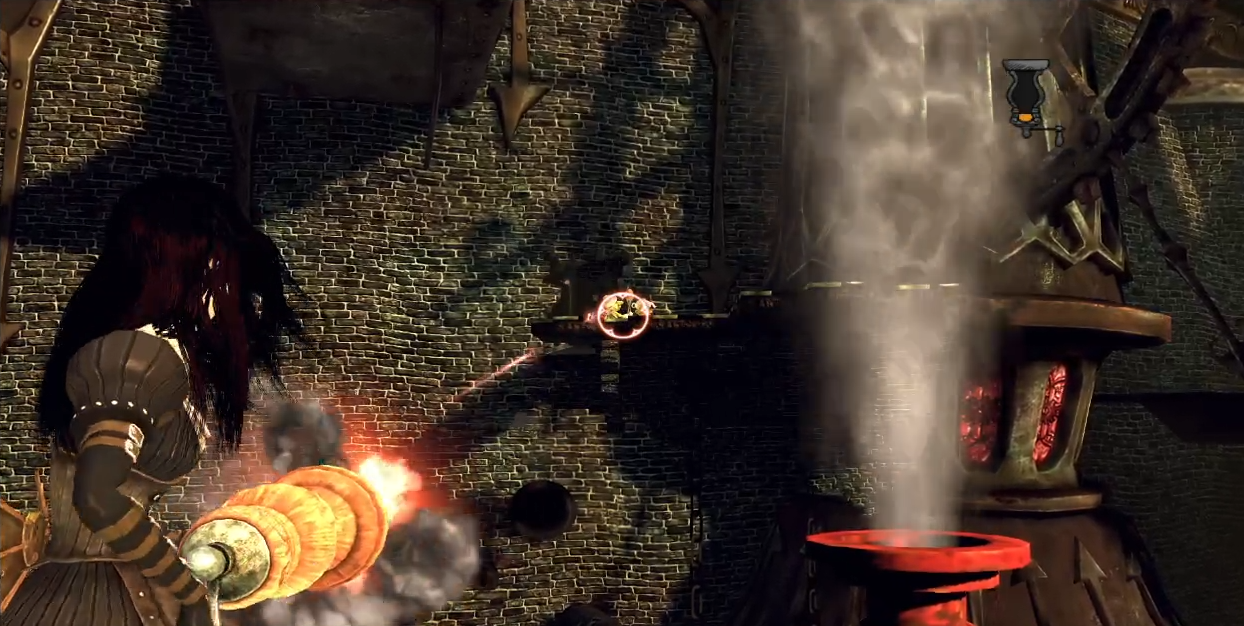
Now, I appreciate fashion, and my girl Alice is a fashion icon. I viewed her “toys”, aka weapons, as fashion accessories. With each level, she adapted by using different toys to slay her enemies as needed. For example, having a pepper grinder that served as a long-range machine gun-like weapon is so camp. Shoutout to the Duchess for providing that grinder. A character who begins as an enemy in game one becomes a somewhat allied figure in game two. If only they made collector props of all the weapons, because I always wanted a Hobby Horse and Fire Whip.
I’m into the concept of fashion in gaming. My favorite Alice dress is her Hysteria dress, an all white dress adorned with blood. Each dress was designed to match the theme of the level she was in. It didn’t go unnoticed how her closet expanded from the first game to the second. I mean, if you’re going to metaphorically fight the demons in your own head for the sake of mental health, you might as well do it in style, no?
One of the most impressive aspects is how this game built a loyal following from 2000 until 2011, when Madness Returns was released, and continues to do so today. Why is it still popular and has cultivated an unwavering fanbase? Nostalgia and social media. Many fans are now adults. They grew with Alice, and some revisited Wonderland to understand and be reminded that the message was about survival and piecing things together.

TikTok, as mentioned earlier, was constantly feeding me Alice content. This raised the question: What happened to the promised third title, Alice: Asylum? Unfortunately, McGee was battling his own Dollmaker on the last stage of his own Wonderland. EA rejected the pitch for the third installment, much to his dismay. There was even an offer to buy the game's IP, but it was rejected resoundingly. Much like every other fan, I grieved with Alice. How can such a successful project never be allowed to grow? No amount of pig snouts, roses, or teeth will help us progress to the next level. For those who haven’t played it, I know my previous sentence sounds odd.
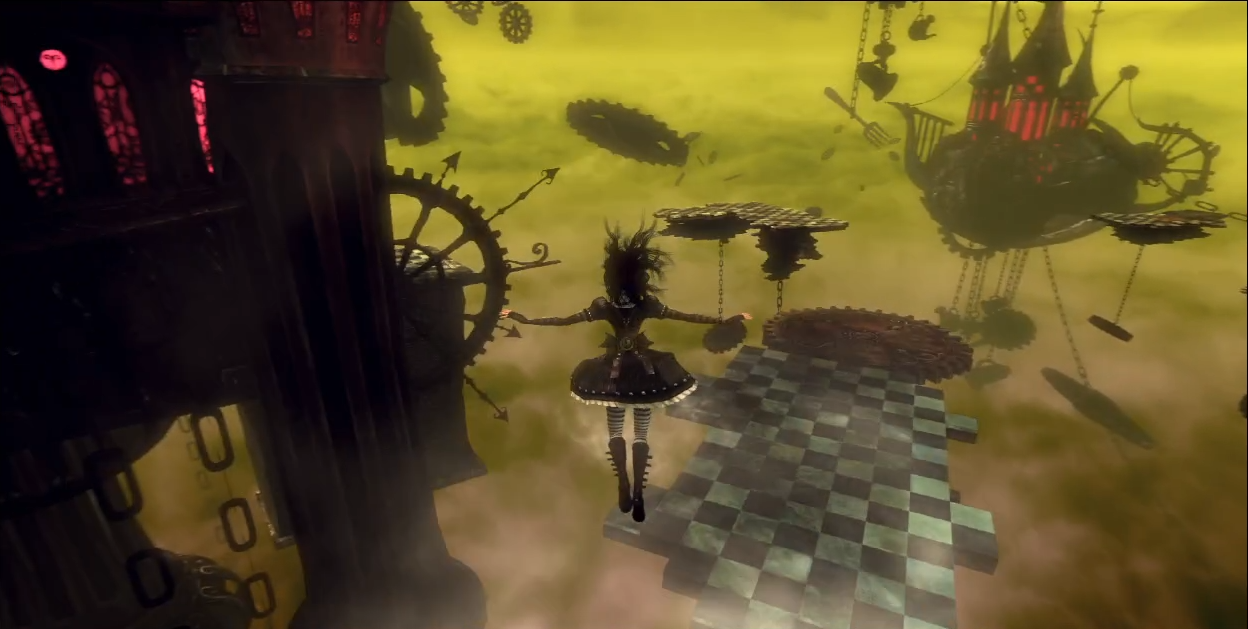
What stung like a sting from a Bolterfly was when the Alice: Asylum design bible was released in 2023. It is one of the most beautifully crafted design bibles I have ever seen. I almost shed a tear. The potential budget would have allowed my queen to have her wardrobe be more than triple in size. The same goes for the arsenal of weapons; from the Jabberwock Grappler, the Jack Bomb, Playing Cards, and Ice Wand, just to name a few. The objective was to provide players with new challenges while also offering exciting rewards. Every detail of this world was carefully thought out, featuring easily customizable mechanics. The plan even included incorporating environmental lighting and a progression of weather effects.



This article felt more personal because of what the game represents: mental health. The third installment would have continued with that theme: PTSD, focusing on Alice's more profound exploration of depression, anger, acceptance, and more. Experiencing the loss of this world's continuation is tragic. This event is regarded as one of the most significant losses in the history of video games. McGee's decision to abandon the idea of owning Alice indicates diminishing hope that Asylum will ever come to fruition.
For now, pick up your own copy of Madness Returns on Steam and visit Wonderland. If you have never played it, allow your imagination to run free. Go ahead, sharpen your Vorpal Blade, drink from that little bottle, and trust that the Cheshire Cat will guide you.


The arcade classic returns with a full remake that can be enjoyed at home. Damian tells us all about why this arcade shooter is still a blast.