

TerrorBytes Review
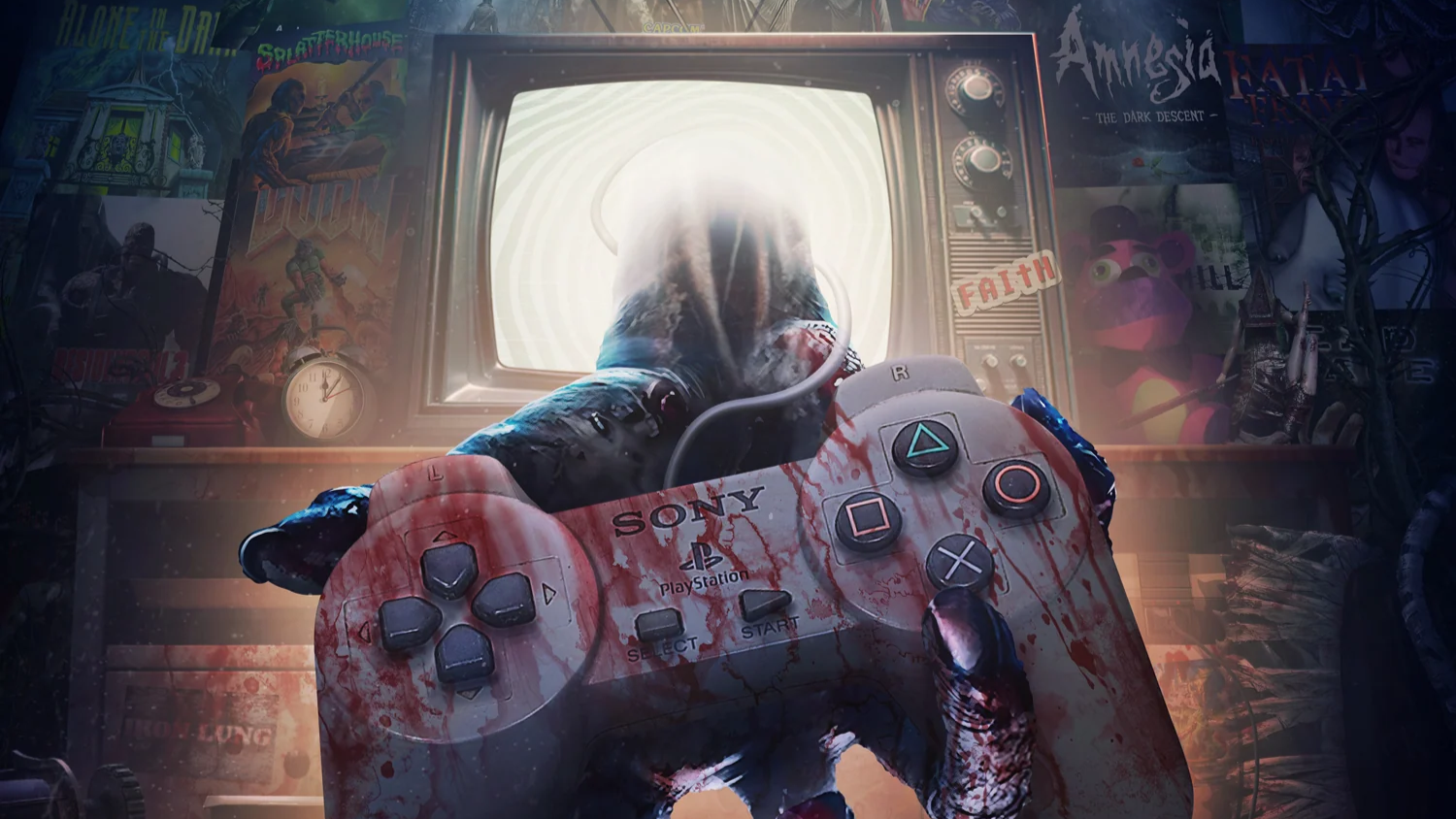
ATTENTION GAMERS:
TERRORBYTES HAS TAKEN CONTROL!
It was a dark and stormy night. My siblings and I huddled together in our room, eagerly turned on the TV, inserted a game disc into the PlayStation and anxiously waited. Foreboding music played, then a map appeared, followed by a scene of stormy waters and a sinister castle on top. Next thing you know, I was playing as Richter Belmont and fighting Dracula. If only I had known how that day would alter my DNA.
Thanks to my dad, I watched horror movies at a young age. Shortly after, I was drawn to video games, and one of the first titles I ever played was Castlevania. Not just any Castlevania, but Castlevania: Symphony of the Night. My transition from horror movies to horror video games was seamless. Watching the documentary TerrorBytes: The Evolution of Horror Gaming, made by CREATORVC, brought me back to my younger days as a misfit kid fascinated by the macabre. Nothing much has changed in case that wasn’t obvious.
CREATORVC is a fantastic group of talented individuals behind other notable projects, including In Search of the Last Action Heroes, In Search of Darkness, and Aliens Expanded. It was only a matter of time before they would create TerrorBytes. It’s not just a documentary about the history of horror games, but also a tribute to how it has shaped many of us weirdos.
The project is divided into five parts: Survival Horror, Lethal Licenses, FMV (Full-Motion Video), The Indie Revolution, and Cursed and Controversial. I’m glad these folks decided to break this monster of a project into digestible bytes (lol).
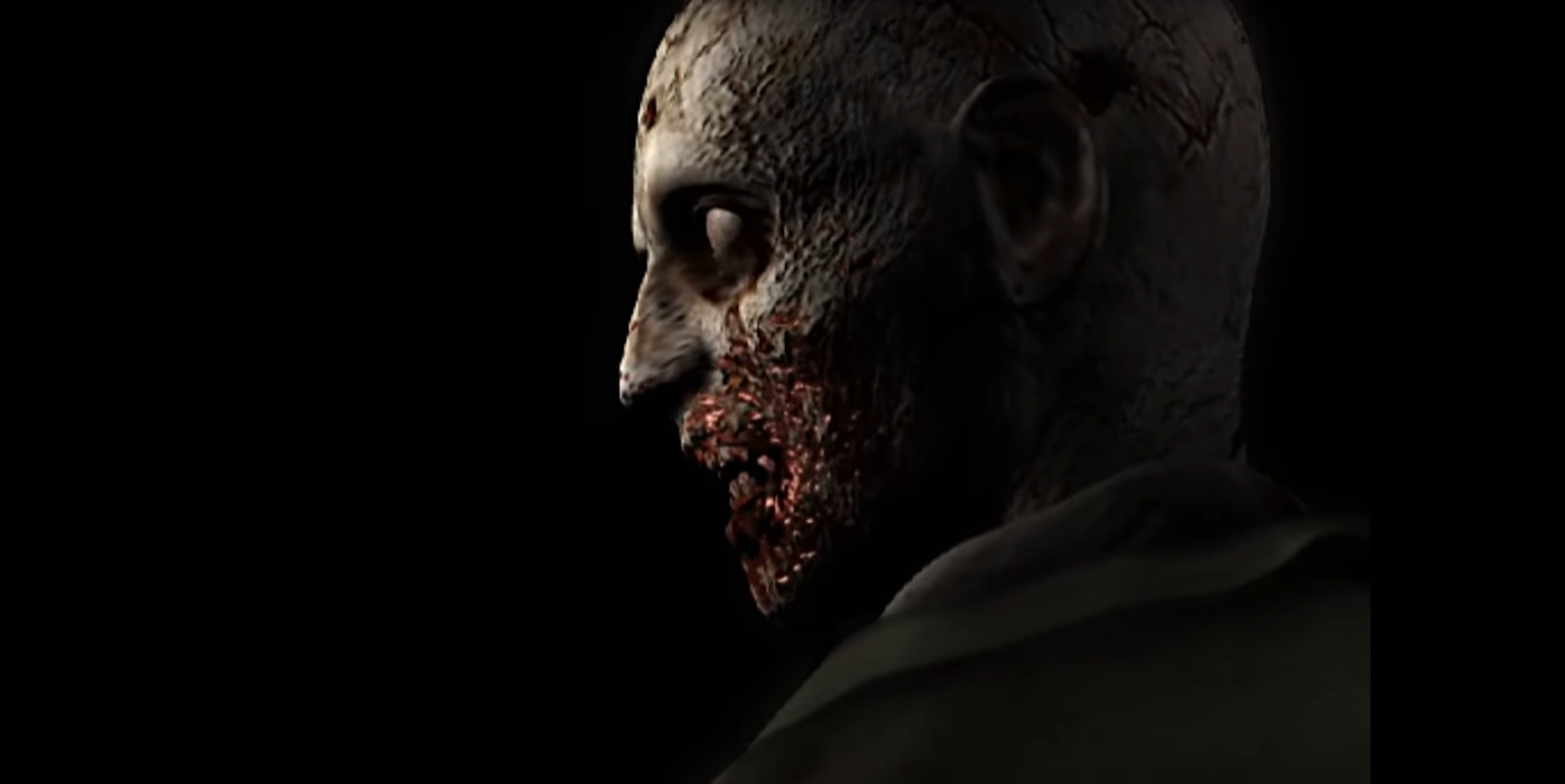
Episode 01 - "Enter the Survival Horror" starts strong. I appreciated how the documentary depicted the origins of horror games and their influence on works of the 1990s. Just check out Haunted House (1982) and Sweet Home, a turn-based RPG from 1989 that influenced the creation of Resident Evil. This episode also acknowledged how Resident Evil took some inspiration from the master of zombies himself, George Romero.
Creative freedom and inclusivity were discussed, such as the final girl trope in horror movies and how video games broke the mold of the stereotypical sexy vixen. A notable example is Heather Mason, a typical teenage girl who serves as the protagonist of Silent Hill 3. She is a realistic and well-grounded character who faces challenges larger than life. We have Jill Valentine from Resident Evil 3, a badass woman who stands her ground against literal horrors.


This first episode encapsulated how we are an extension of our art. Three-dimensional characters and engaging storytelling, along with meaningful messages, made these games highly addictive. Great stories tap into human emotions and evoke a sense of relatability. Cue Mary’s letter in Silent Hill 2. That game was masterful at portraying guilt and regret. It showed the lengths some people would go to right their wrongs.

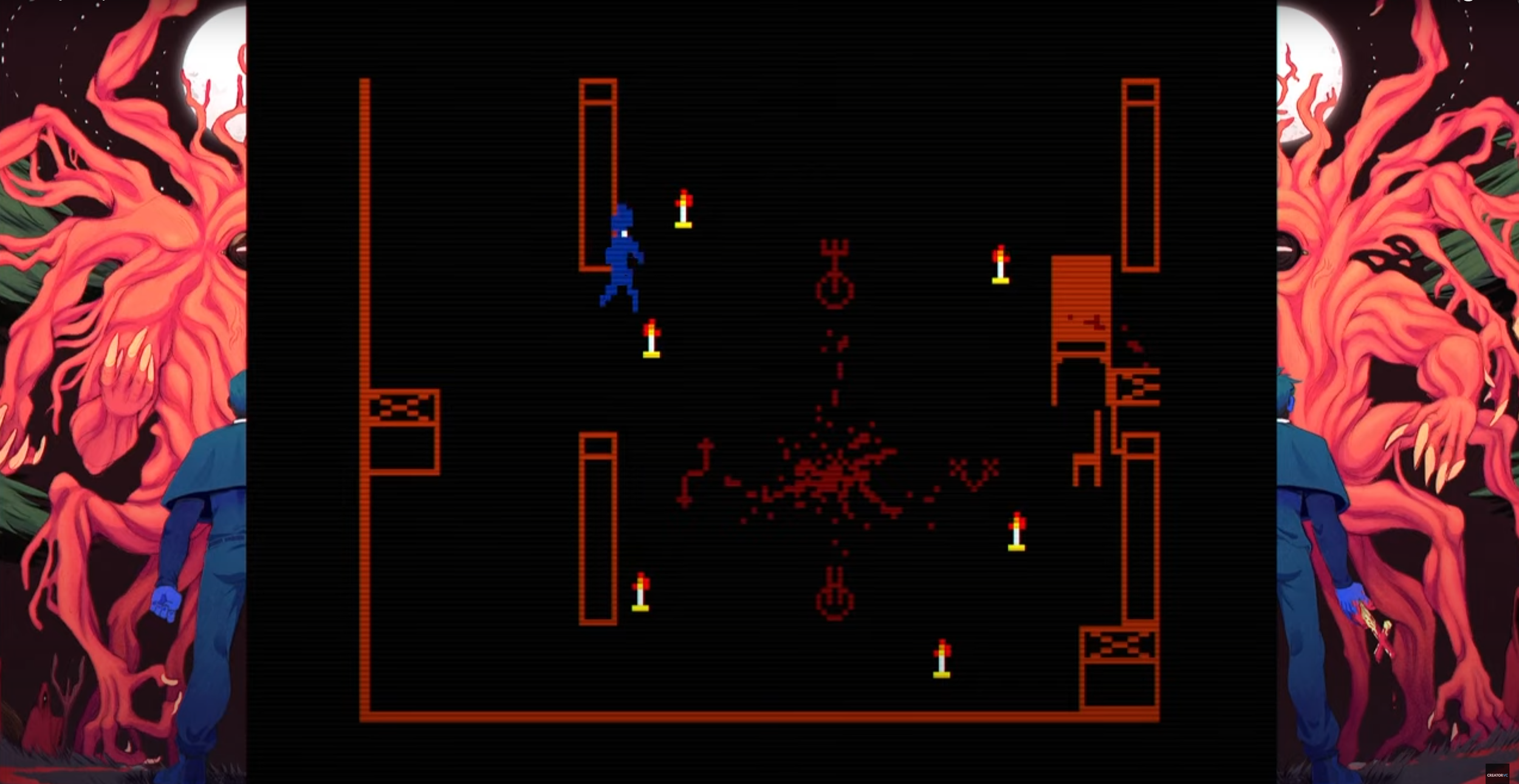
Episode 02- “Lethal Licenses” reminded me how films, books, and video games collide. Corey Taylor from Slipknot as a guest in EP 02 made me fanboy hard. Anyway, there were early attempts to make games based on horror movies, such as The Texas Chainsaw Massacre (1983) for the Atari 2600. As you can imagine, there were some failures. Peep the interesting color choices of blues and greens for the Texas Chainsaw Game. Although I think it was revolutionary that you could play as Leatherface, the game was still a flop.
Other titles came out from popular franchises, such as Nightmare on Elm Street, Friday the 13th, and, to no one’s surprise, Halloween. I think it’s essential to acknowledge that this episode recognizes the contributions of notable horror writers, including Mary Shelley, Bram Stoker, and Ann Radcliffe. For instance, Dead Space (2008), System Shock (1994), and Portal (2007) contain elements from Frankenstein. A creator brings something to life that ultimately poses a threat to both itself and its creator. As Bernard Perron (Author: Silent Hill: The Terror Engine) stated, “All the threats that you find in Gothic literature are the threats that you find in horror games.”

You also can’t talk about horror icons without mentioning Clive Barker (creator of Hellraiser and Nightbreed) and John Carpenter (filmmaker behind Halloween and The Fog). They were masters of making monsters be perceived as characters, adding layers to storytelling. Whether you enjoy classic horror stories, such as Dracula, or have a fondness for reanimated creatures, the connections can be made between the games and the source material. Take a look at game titles like Bloodborne, The Thing, The Walking Dead, Alien, and, of course, Dead by Daylight.
Episode 03 - “Narrative Nightmares” discusses a genre that I find most similar to horror films. FMV (full-motion video) utilized actual footage to complete the narrative. It encourages the player to make decisions and push past their hesitation to keep the game going. One of the earlier games under this subcategory was Scene of the Crime (1986), which played on the whodunit trope. From there came the birth of Night Trap (1992). The game revolved around a group of girls who had a sleepover, and there were vampire-like creatures that wished to kidnap them.
The CD-ROM enabled The 7th Guest (1993), an interactive puzzle game, to facilitate better storytelling through its use of sound effects and animation. The combination of traditional video game mechanics and real-life footage elevated the gaming experience. Of course, when discussing narrative and adventure games, Gabriel Knight: Sins of the Fathers (1993) is a notable mention. It follows a horror novelist who becomes an investigator of murders connected to voodoo. The game was praised for having unforgettable characters.
If there’s anything I learned in EP 03, it's that women are amazing storytellers. Phantasmagoria (1995) was spearheaded by Roberta Williams, who was regarded as a pioneer in the computer game industry. The game is about a woman and her husband who move into a house deemed haunted. The twist is that her husband is the villain. What’s scarier than realizing you married a monster? It’s no shocker that the earlier days of this genre gave way to Her Story, Until Dawn, and The Quarry.
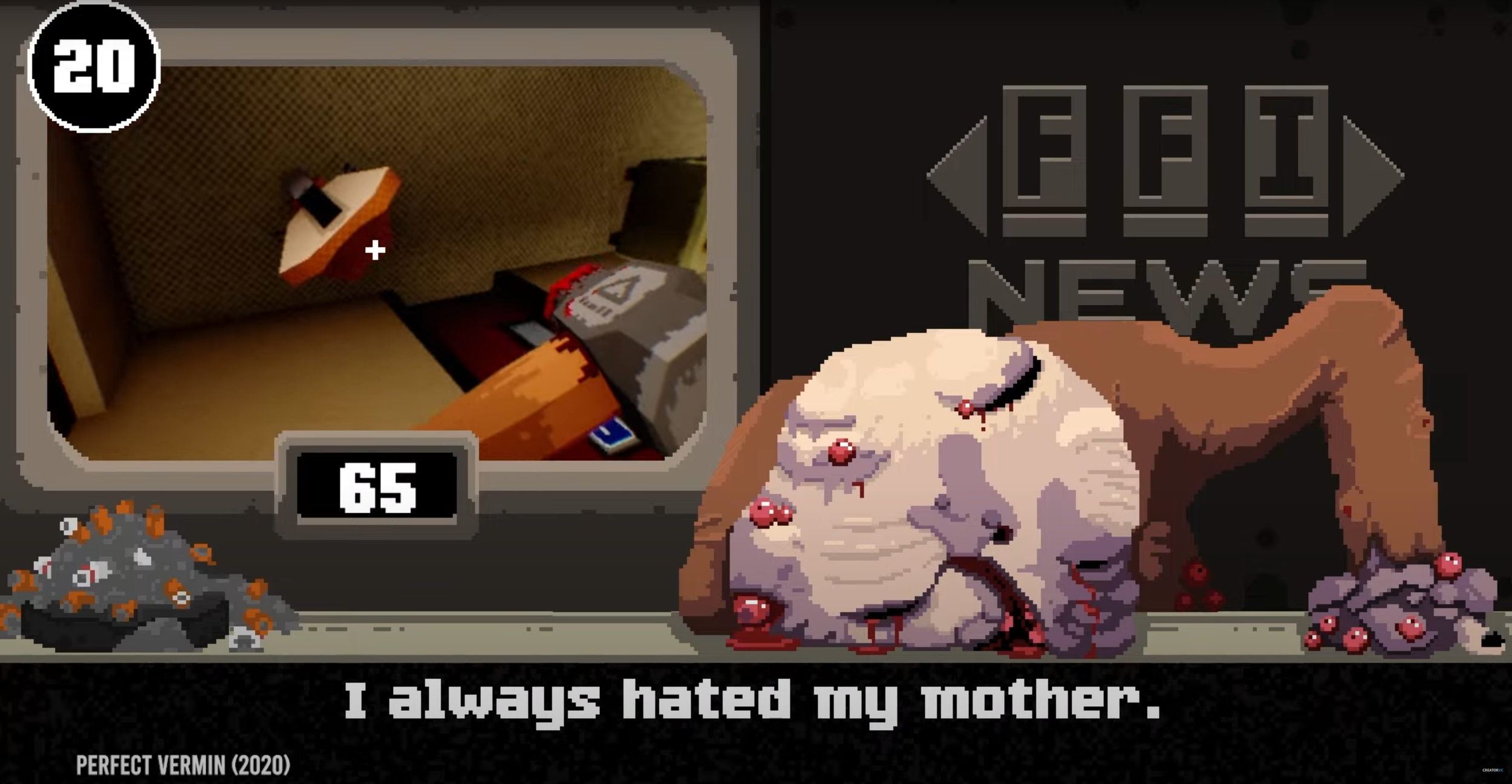
Episode 04 - “The Indie Revolution” has a loud message about the importance of creative freedom. Indie games are less about being tied to a company and more about artists creating for the sake of art. There is a lower risk of not achieving a successful title. That's not to say that monetary gain wasn’t the goal at all (because making money from your art is rad), but there were other priorities.
Newgrounds was an iconic centralized source for indie games. I like to think this was the better age of the internet, where not everything was accessible, but there was enough to be grateful for. I’m also thankful to be reminded that the use of 3D propelled indie games into the spotlight. It was clear that AAA influence was not needed to create good gameplay.
Refer to Amnesia: The Dark Descent (2001). What a great example of slow build-up and creative use of interactive elements, such as the mechanics used to avoid the monsters.
This episode was my favorite as it is very punk rock by nature. Creatives were finding ways to go against the game structure. I’m intrigued by the ambiguity, as many horror gamers are. Indie often has a gritty feel, as seen in Outlast (2013). You are Miles, a reporter who ends up trapped in Mount Massive Asylum. Outlast gives you a constant wave of panic, forcing you to hide and hoping you survive. As a horror gamer, I will always choose indie works because there are so many demons to release into the gaming world.
Episode 05 - “Cursed and Controversial” is the final chapter of TerrorBytes. Just like horror movies, horror video games were no exception to controversy. Who’s surprised? People will always fear that which they don’t understand. It’s almost like that was the reason for the horror genre to come to be: the fear of the unknown. People saw this technology and were convinced that it would have a more negative impact than horror films.
Video games were demonized and blamed for many real-life criminal acts. The film does address how people were attempting to blame titles such as Doom and Quake for the Columbine shooting. It was clear that a scapegoat was needed rather than addressing the real causes of such tragedies.

The more blame that was being pointed at creatives, the more pushback resulted. Some messages were more direct. Like in Devotion (2019), for example. It is about a man dealing with societal pressure, trauma, and just not having a good time. In one of the scenes, there was a poster “hidden” that compared the Chinese President Xi Jinping to Winnie the Pooh. This controversy prevented Devotion from being sold in China and led to its removal from Steam. Some say that bad publicity is good publicity, but this isn’t the case here. Sensationalism often runs rampant, obviously causing more harm than good. Rule of Rose is proof of that also (IYKYK).
Seeing so many people I look up to as horror icons come together was inspiring. The sincerity with which they spoke reminded me of why I chose to pursue game design. I can only imagine the effort that went into curating a list of creatives to contribute to this labor of love. Thank you to Brian Gomez, Heidi Anderson, Alex Aniel, Akira Yamaoka, Jasper Byrne, Justin Wood, Mathieu Cote, Dawn Lunsford, Kaytlin Blackmore, and others.


Grab a copy of TerrorBytes. Watching it will haunt you with the ghost of nostalgia. Who knows? It might inspire you to dust off your controller or to find a role in the game industry. It may even motivate you to persuade your friends to get their copies! It is available for purchase at https://terrorbytesdoc.com/.
MORE REVIEWS LIKE THIS

When I see a classic or retro game get a modern remaster, HD edition, or drag and drop port, I am usually pretty happy. At least until I see the name Aspyr attached to it. Aspyr has a reputation for terrible ports and even worse customer support, and when Legacy of Kain Soul Reaver 1&2 Remastered was announced, I went from thrilled to devastated in an instant.