

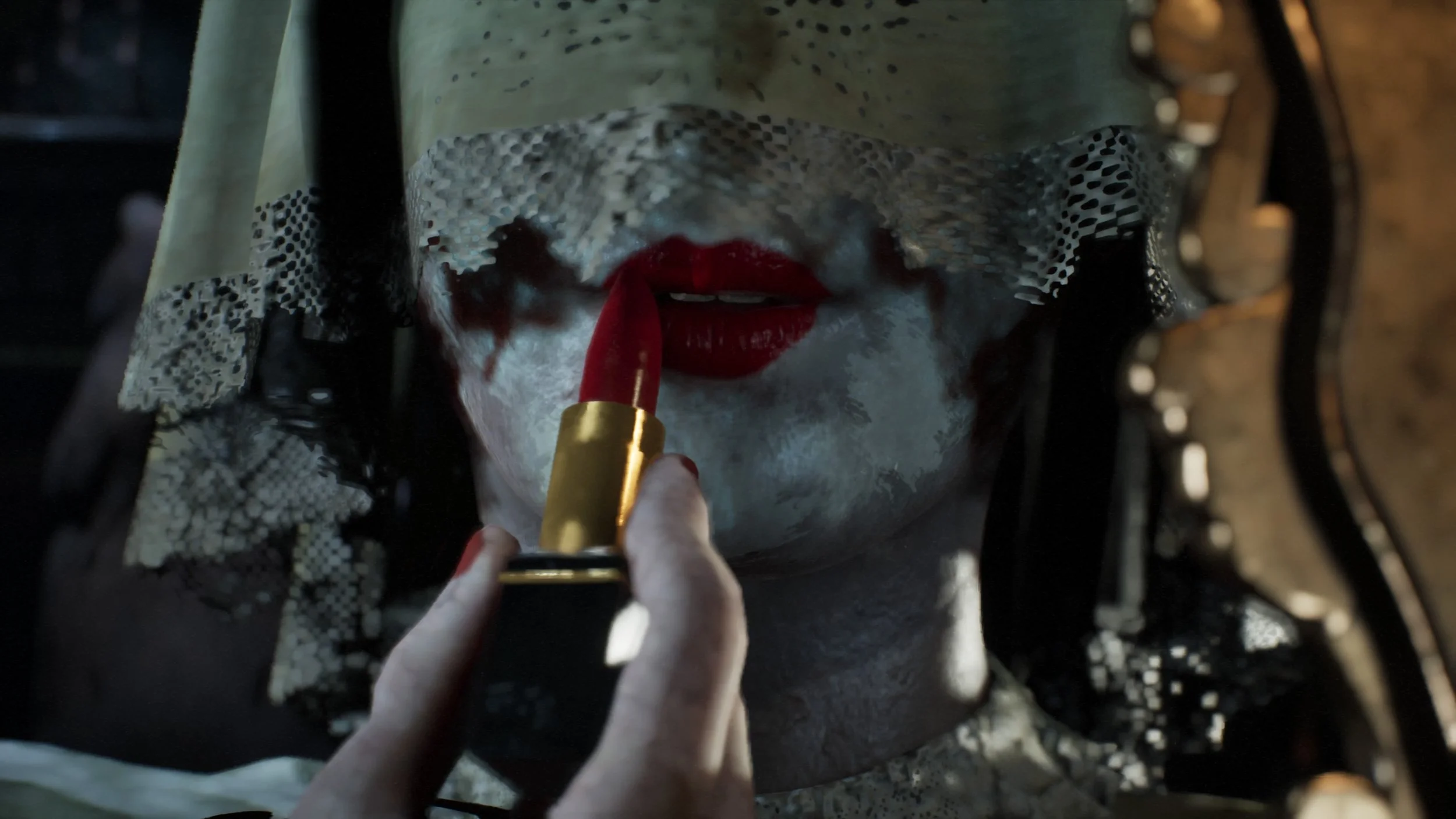
Through the mirror into the womb of madness.
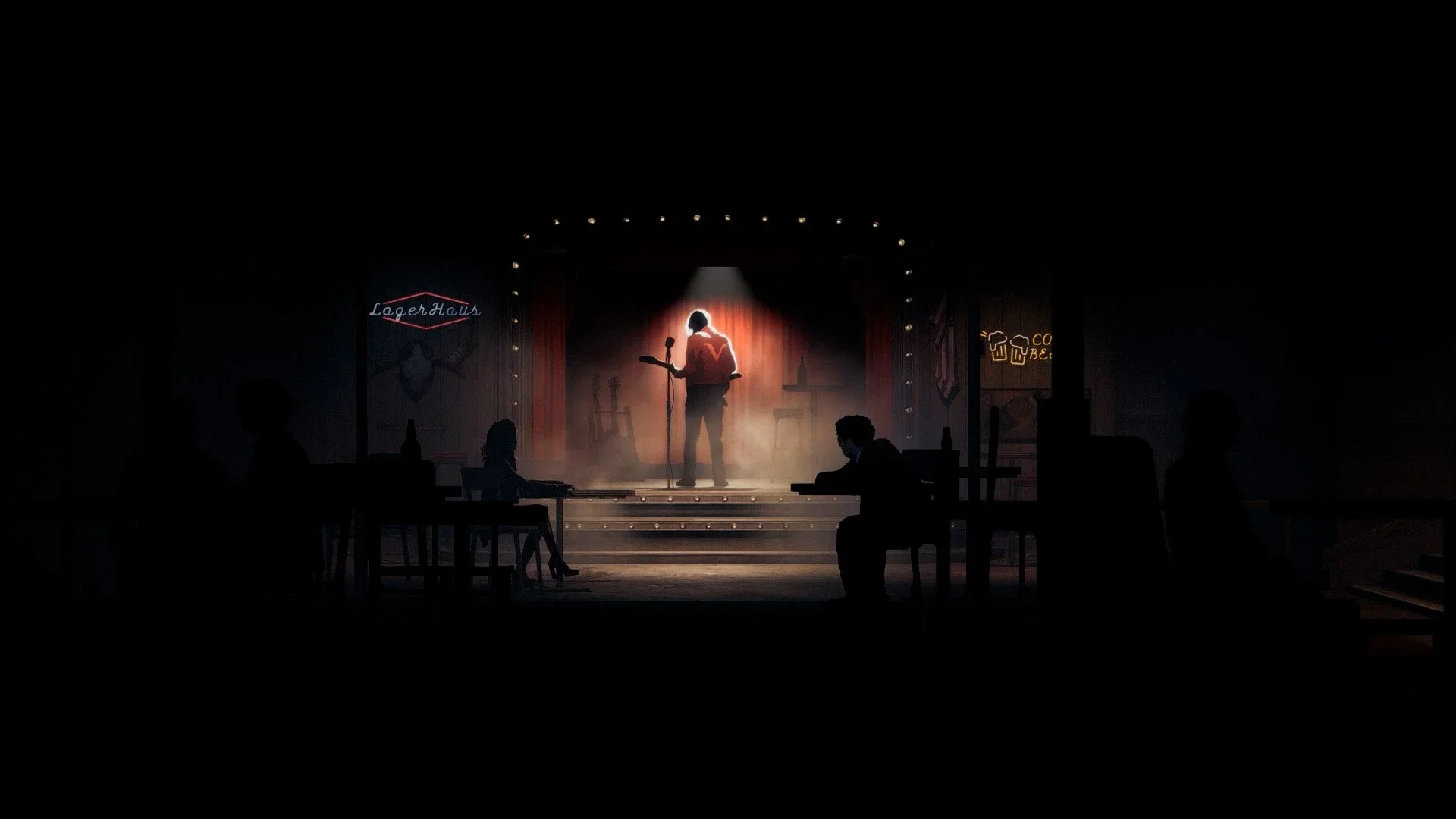
Some horror games want to scare you. Remothered: Red Nun’s Legacy wants to make you uncomfortable. Very uncomfortable. Not through relentless violence or endless hordes of monsters, but by dragging you through a world built from trauma, religious fanaticism, family abuse, missing children, and disturbing imagery that often feels outright terrifying. It’s the kind of horror that lingers in your head long after you’ve put the controller down, even if parts of its story disappear into a fog of confusing twists and half-explained mysteries.
The game's story follows Susan Harper who’s desperately searching for her missing daughter Agata. She vanished alongside three other children, all of whom later turned up dead. The case bears an eerie resemblance to a series of murders that happened decades earlier, suggesting that somebody is repeating old sins.
A mysterious video of her daughter leads Susan to the abandoned RossoGallo farm of the Ashmann family, an important part of the previous games. Central to the plot is the enigmatic Red Nun, once known as Gloria Ashmann. A highly educated woman whose tragic past is intertwined with some of the darkest revelations in the story, which evolves around the mysterious Dr. Wyman, the influential Ashmann family and their estate, especially their son Stefano and the convent of the Red Nuns.
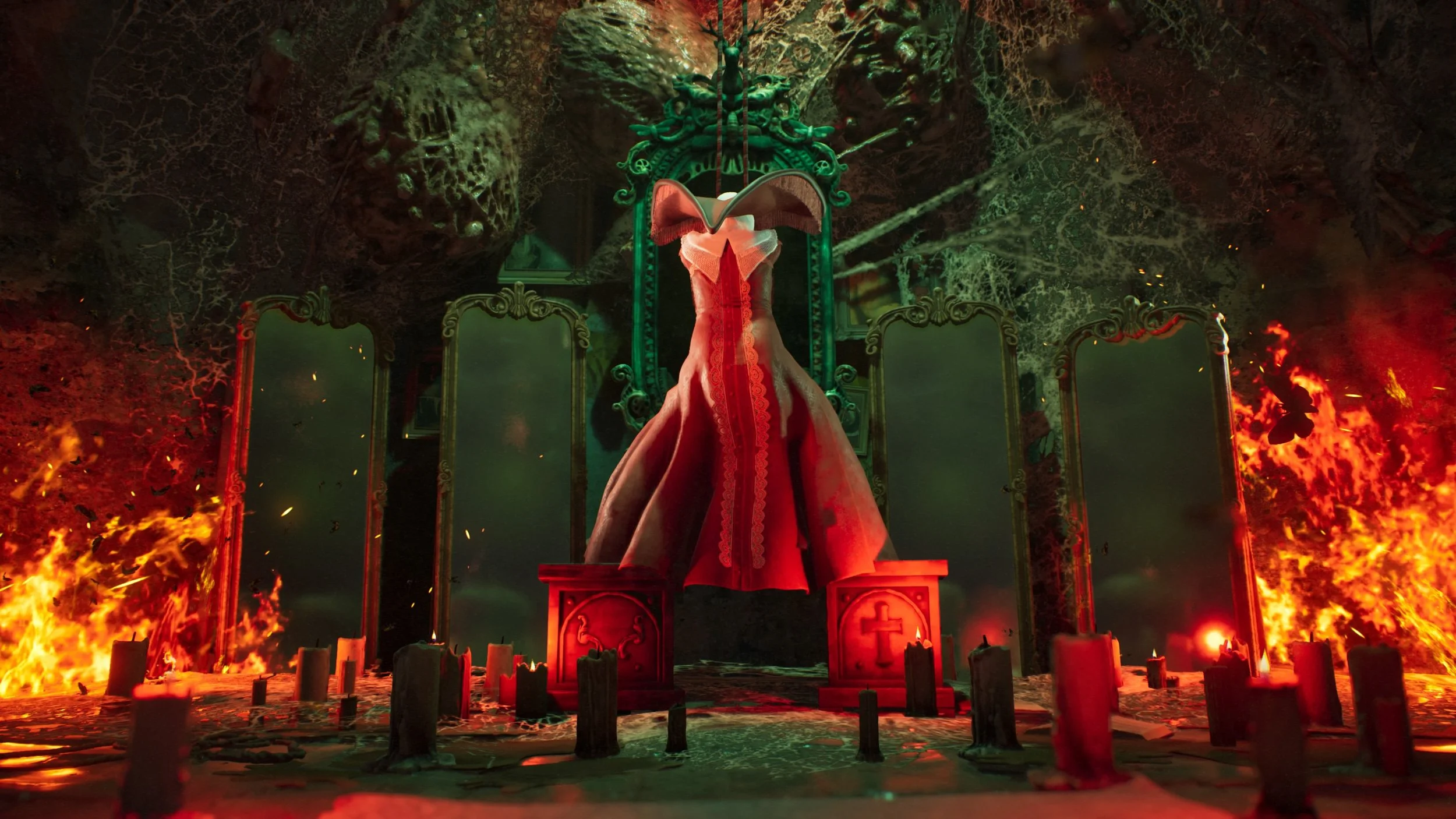
The convent itself is perhaps the game’s most fascinating creation: Burned down long ago, it continues to exist as a strange, otherworldly realm beyond reality, accessible through metronomes you can find throughout the game. Whether it is a physical place, a spiritual dimension, or some collective nightmare remains delightfully unclear.
The deeper the story goes, the more reality seems to fracture. Your husband disappears and only leaves behind his blood-covered glasses, your car is sabotaged and who’s the mysterious woman that seems to be looking for your daughter as well?
By the end, Red Nun’s Legacy throws so many revelations, flashbacks, visions, secrets, conspiracies and supernatural elements at you that keeping everything straight becomes a challenge in itself.
Whether that’s brilliant or frustrating may depend entirely on your tolerance for narrative chaos.
Like its predecessors, Red Nun’s Legacy is less about fighting monsters and more about surviving them.
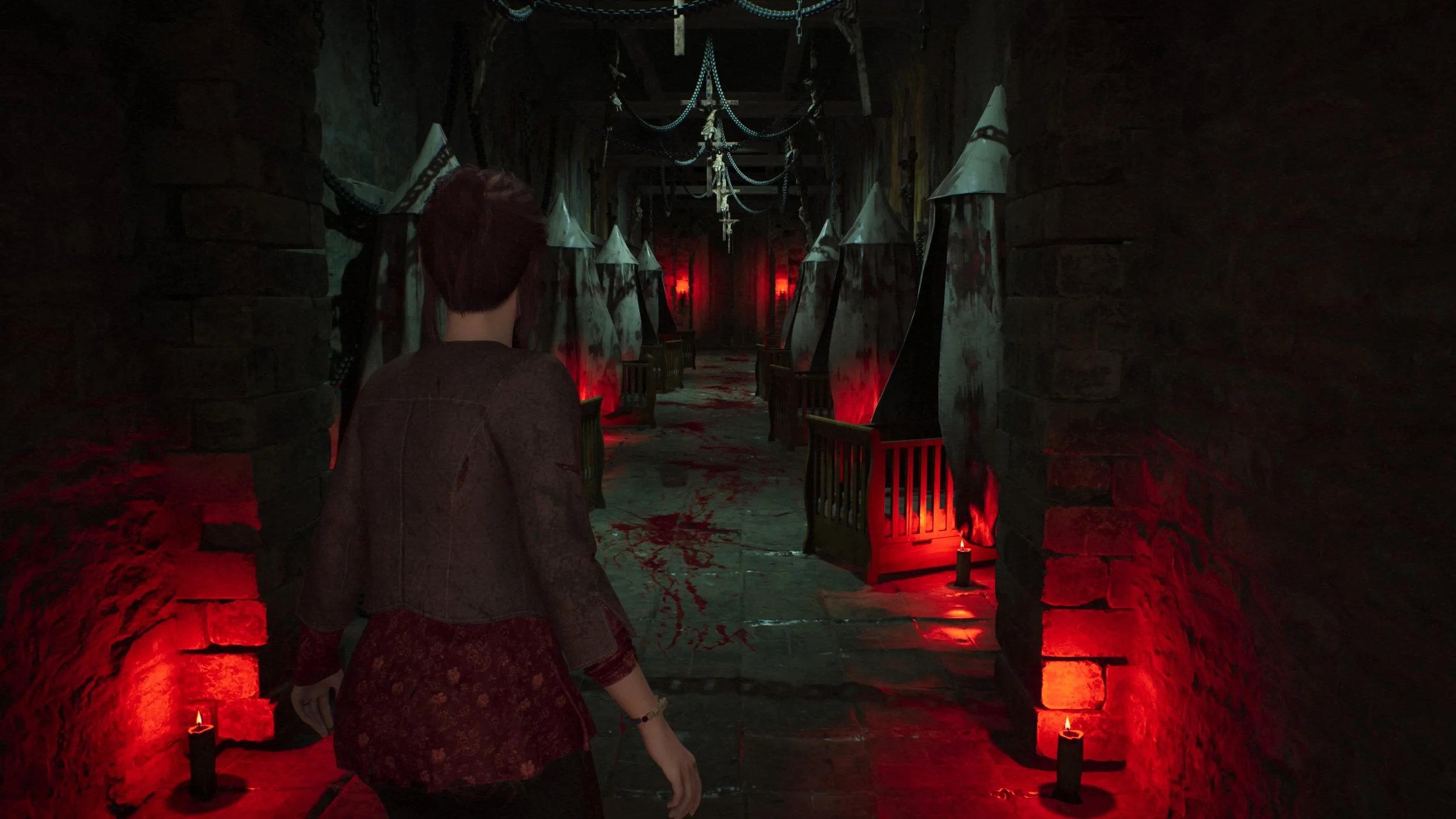
Played from a third-person perspective, the game revolves around stealth, exploration, and puzzle-solving. The formula is familiar enough: explore a location, find a key item, use it somewhere else, then progress to the next, previously locked, area.
The puzzles rarely evolve beyond this structure. They’re rather functional than challenging and serve mostly as pacing mechanisms between story encounters and revelations.
The real threat comes from the game’s stalkers.
These enemies hunt you through the mansion, responding to both sound and sight. Your flashlight becomes a double-edged sword: It helps navigate the darkness, but can also betray your position. Objects can be thrown to create distractions while improvised defensive weapons allow you to briefly fend off attackers when things go wrong.
Hiding is the core survival mechanic in this nightmare. Wardrobes, closets, beds and other hiding spots offer temporary safety, but not guaranteed protection. If an enemy decides to inspect your hiding place, a small, panic-inducing minigame determines whether your concealment holds or ends in disaster.
You can save your game at metronomes throughout the area, but they’re more than just simple save points. They also unlock supernatural abilities that reveal memories, expose hidden truths and uncover secrets lurking behind the many mirrors scattered throughout the game.
The boss encounters, however, feel like a missed opportunity. At least early on, they’re astonishingly easy. Horror games live and die by tension and it is difficult to feel threatened when a climactic confrontation feels easier than slipping past a regular enemy.
If there’s one thing Red Nun’s Legacy understands, it’s the power of visual unease. The game repeatedly weaponises its mirrors, turning them into sources of constant anxiety: You glance at a reflection and see a Red Nun standing behind you. You spin around: Nothing. A few minutes later, another reflection shows a figure approaching you and again: Nobody there.
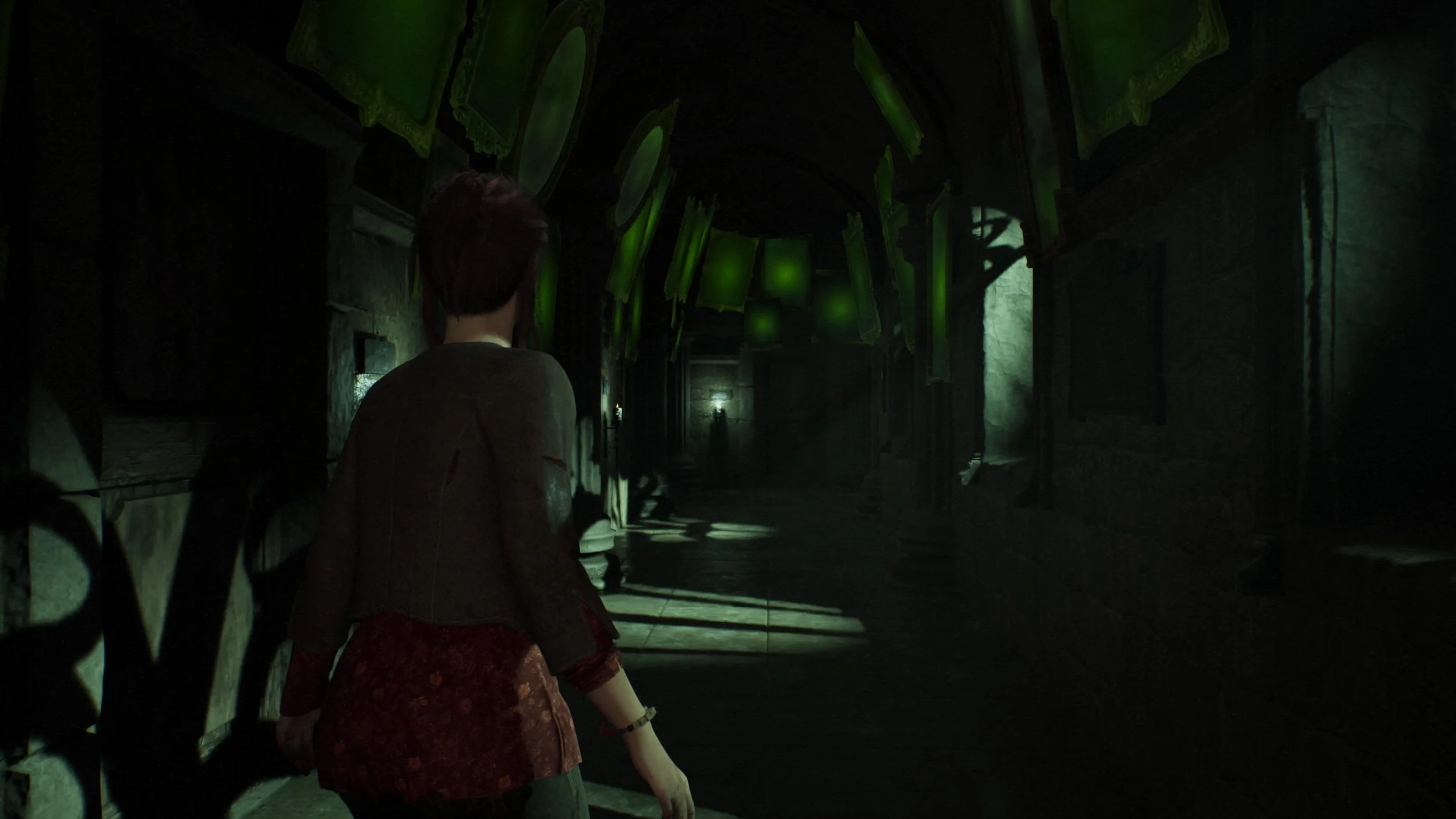
These moments are remarkably effective because they prey on the uncertainty of what you will see when you look into the mirrors. It’s a powerful lesson that every mirror might contain a threat, real or imagined and you might find yourself checking reflections more often than dark hallways.
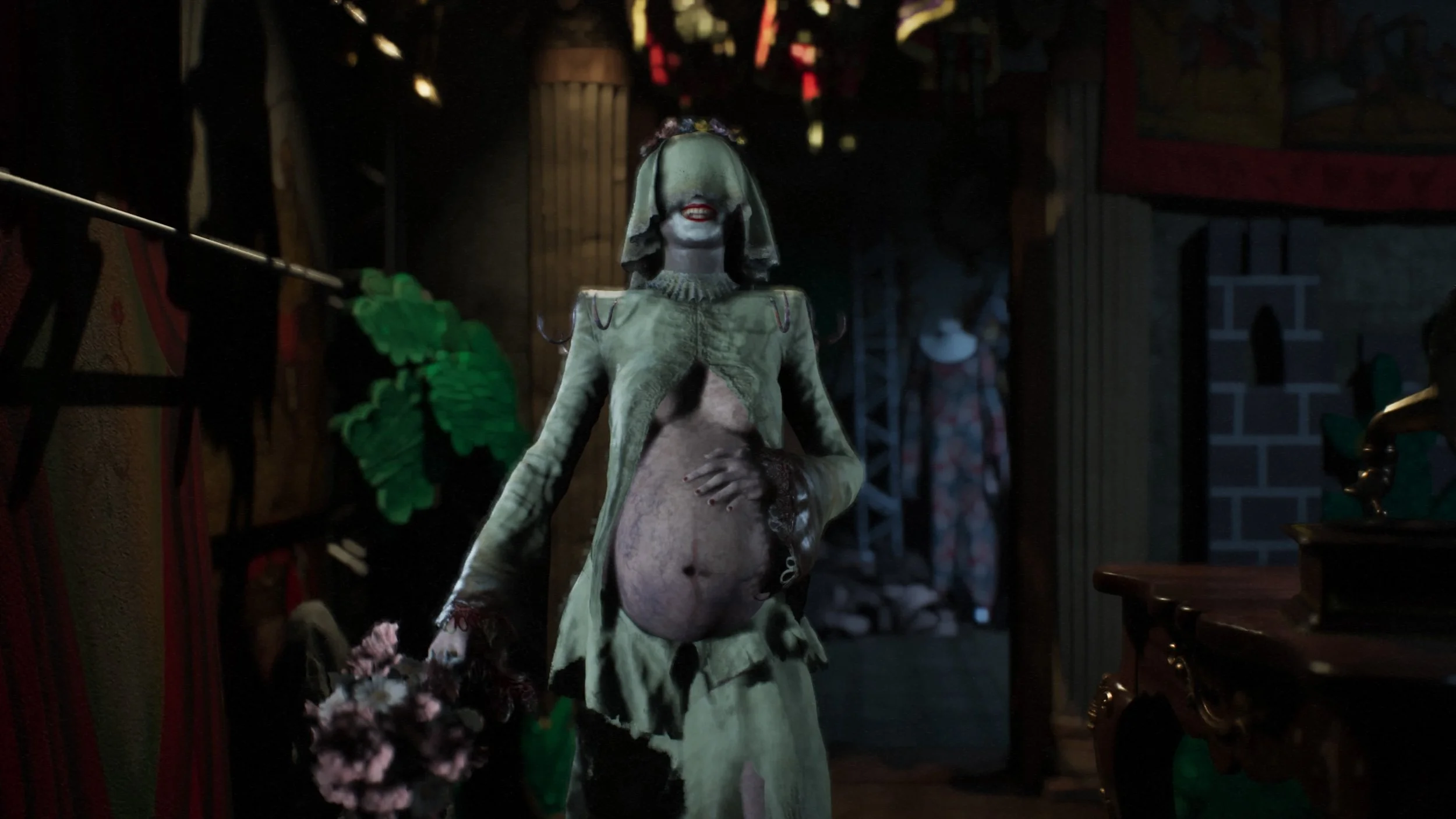
Without diving into spoiler territory, several scenes involving childbirth rank among the most disturbing moments in the game. They’re not especially graphic by horror standards, but the way they’re presented creates an overwhelming feeling of wrongness that’s difficult to shake off.
Unfortunately, the game occasionally undercuts its strongest moments with an overreliance on jump scares. And yes, I still hate jump scares.
A well-crafted atmosphere can have players holding their breath for minutes at a time. A jump scare lasts two seconds. Red Nun’s Legacy is at its best when it trusts its atmosphere, not when it resorts to loud noises and sudden appearances.
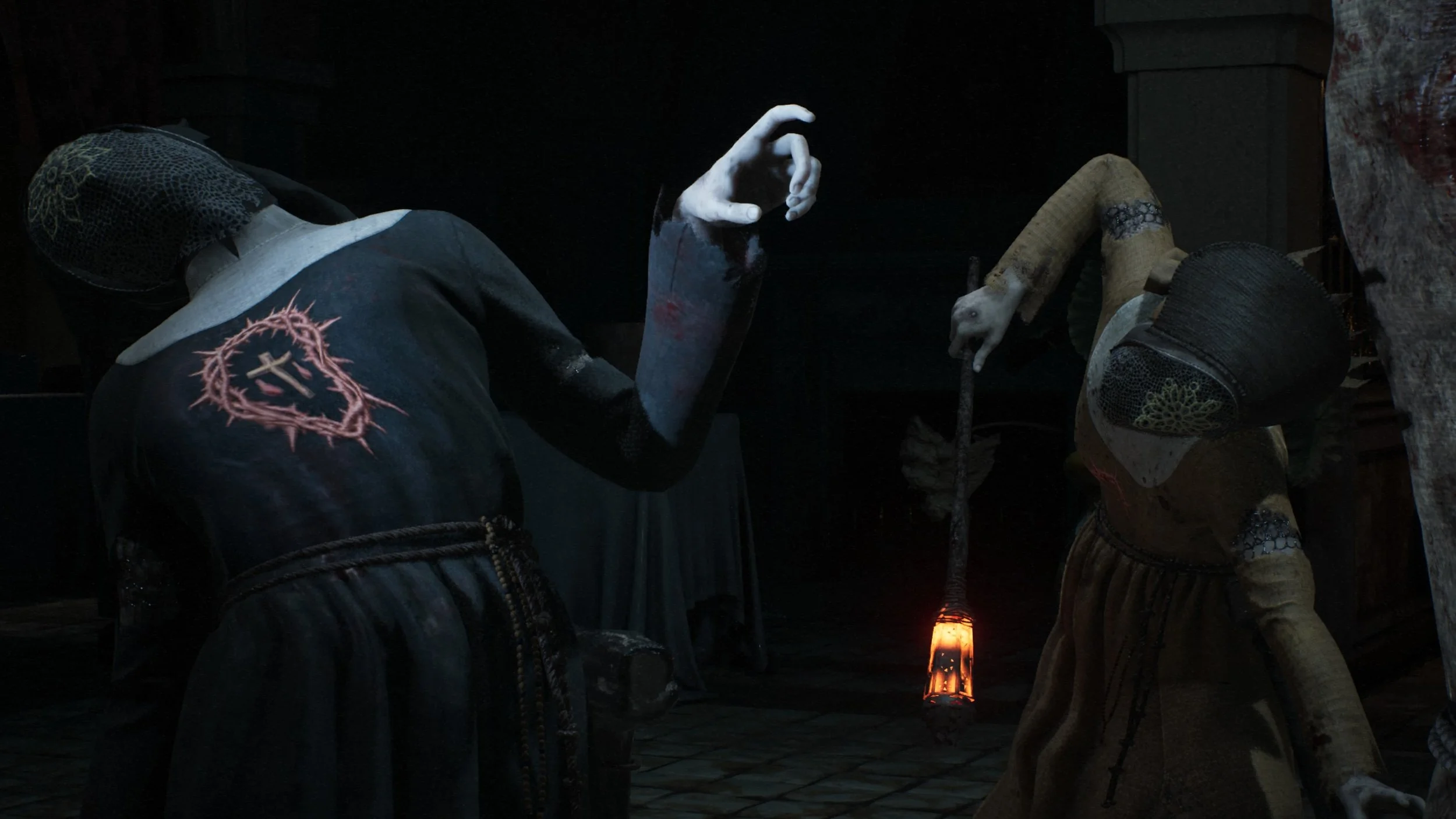
One of the game’s biggest problems is that its stalkers become familiar too quickly.
The first encounters are genuinely nerve-racking. The uncertainty of not knowing how they behave makes every footstep and every creaking door terrifying.
Eventually, however, their routines become predictable. Once you understand how to evade them, they lose much of their mystique. They stop feeling like supernatural predators and start feeling like obstacles.
Thankfully, the game periodically compensates with scripted chases and forced confrontations that bring the tension roaring back. Whenever the game takes control away from the player’s carefully planned stealth routine, the fear returns.
The audio design deserves considerable praise.
Rather than drowning the experience in music, Red Nun’s Legacy embraces silence. Long stretches pass with little more than distant noises and unsettling ambient sound
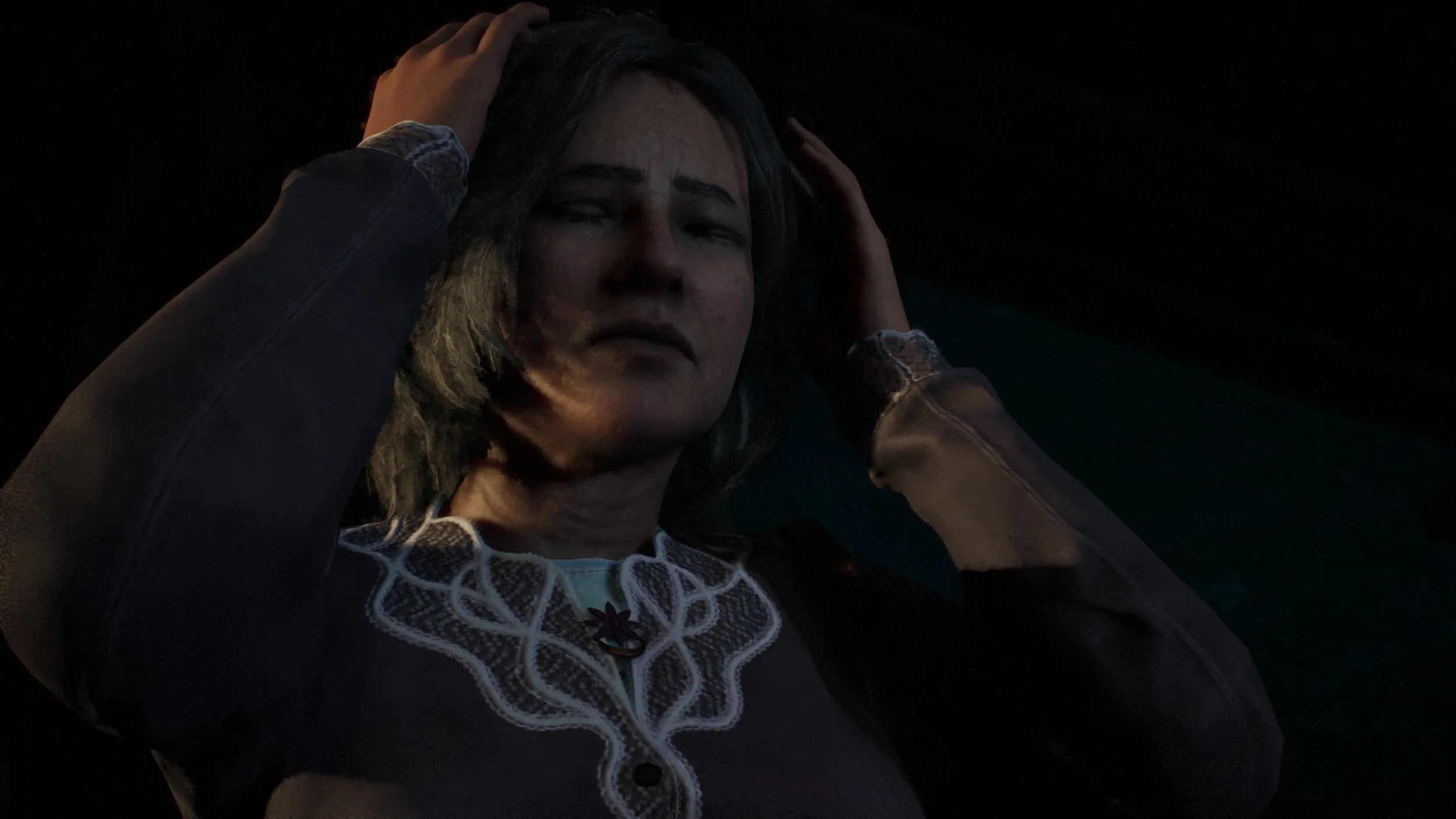
The result is deeply unnerving.
When a strange sound finally cuts through the silence, it immediately commands attention. Every creak, whisper, scrape and unexplained disturbance contributes to a feeling that something terrible is lurking nearby.
Even when nothing is there. Especially when nothing is there…
Visually, the game creates some genuinely striking imagery.
The convent in particular is gorgeous in a deeply unhealthy sort of way. Rooms glow with crimson light, corridors seem trapped between reality and nightmare, and strong lighting effects constantly reinforce the game’s oppressive atmosphere.
It’s not the most technically impressive horror game available, but the art direction more than compensates. The visual identity of the Red Nuns is strong enough to carry the entire experience.
Remothered: Red Nun’s Legacy is messy, confusing, occasionally frustrating, and frequently brilliant.
Its story often feels like a nightmare trying to explain itself while still asleep. The gameplay rarely evolves beyond familiar stealth mechanics, and its enemies eventually lose much of their bite. Yet despite these shortcomings, the game succeeds where it matters most: It gets under your skin.

The Red Nun staring at you from a mirror, the impossible convent beyond reality, the unsettling birth imagery, the silence before an unexpected noise breaks it… These moments create a lingering sense of unease that many bigger-budget horror games never manage to achieve.
Red Nun’s Legacy may not always know where it’s going, but the journey is disturbing enough that you’ll want to follow it anyway.
DEVELOPER: Stormind Games
PUBLISHER: Stormind Games / Soft Source
AVAILBLE ON: Steam/PS5/Xbox Series/Nintendo Switch
PLAYED ON: PS5
DEMO: Yes
RELEASE DATE: October 27th, 2026
Learn more about Remothered: Red Nun’s Legacy by visiting the official website.
Who’s your mother? Share with us in the comments.
YOU MIGHT LIKE

Some horror games want to scare you. Remothered: Red Nun’s Legacy wants to make you uncomfortable. Very uncomfortable. Not through relentless violence or endless hordes of monsters, but by dragging you through a world built from trauma, religious fanaticism, family abuse, missing children, and disturbing imagery that often feels outright terrifying. It’s the kind of horror that lingers in your head long after you’ve put the controller down, even if parts of its story disappear into a fog of confusing twists and half-explained mysteries.