

Statement of Ali, writer for Fearzine. Statement begins…
Games never fail to transport me into the shoes of their protagonists, and animated shows often have me wrapped in their magic, but I've always been in search of a podcast that would make me feel the same way. Despite the storytellers' best efforts, having to sit back and just listen without seeing the narrator sometimes makes me feel like I’m left in the dark. But something in The Magnus Archives changed that.
The horror fiction podcast, distributed by the independent production company and podcast network Rusty Quill, is created by Jonathan Sims, produced by Alexander J Newall, and realised by multiple talented editors and voice actors. The five-season-long show is made up of 200 episodes, and has become a pioneer of horror podcasts all of its own.
The show begins as a horror anthology podcast centered on the Magnus Institute, an academic organisation that archives accounts of supernatural encounters. Each episode focuses on a different account given to the institute, yet these seemingly disconnected events and the characters within them soon begin to be spun into the same web of horrors.
While every season introduces new names and nightmares to keep track of, its characters become unforgettable once you start. Here is a breakdown of how to delve into The Magnus Archives, and why its sound design and stories capture returning and new listeners in its web.
Every episode of The Magnus Archives has individual content warnings. For those who want to avoid specific triggers, please check the content warnings of each episode in their descriptions ahead of listening.
Full credit for The Magnus Archives goes to its creators and Rusty Quill. Please visit the official website for full credits and to support the official release.
Minor story spoilers for The Magnus Archives ahead.
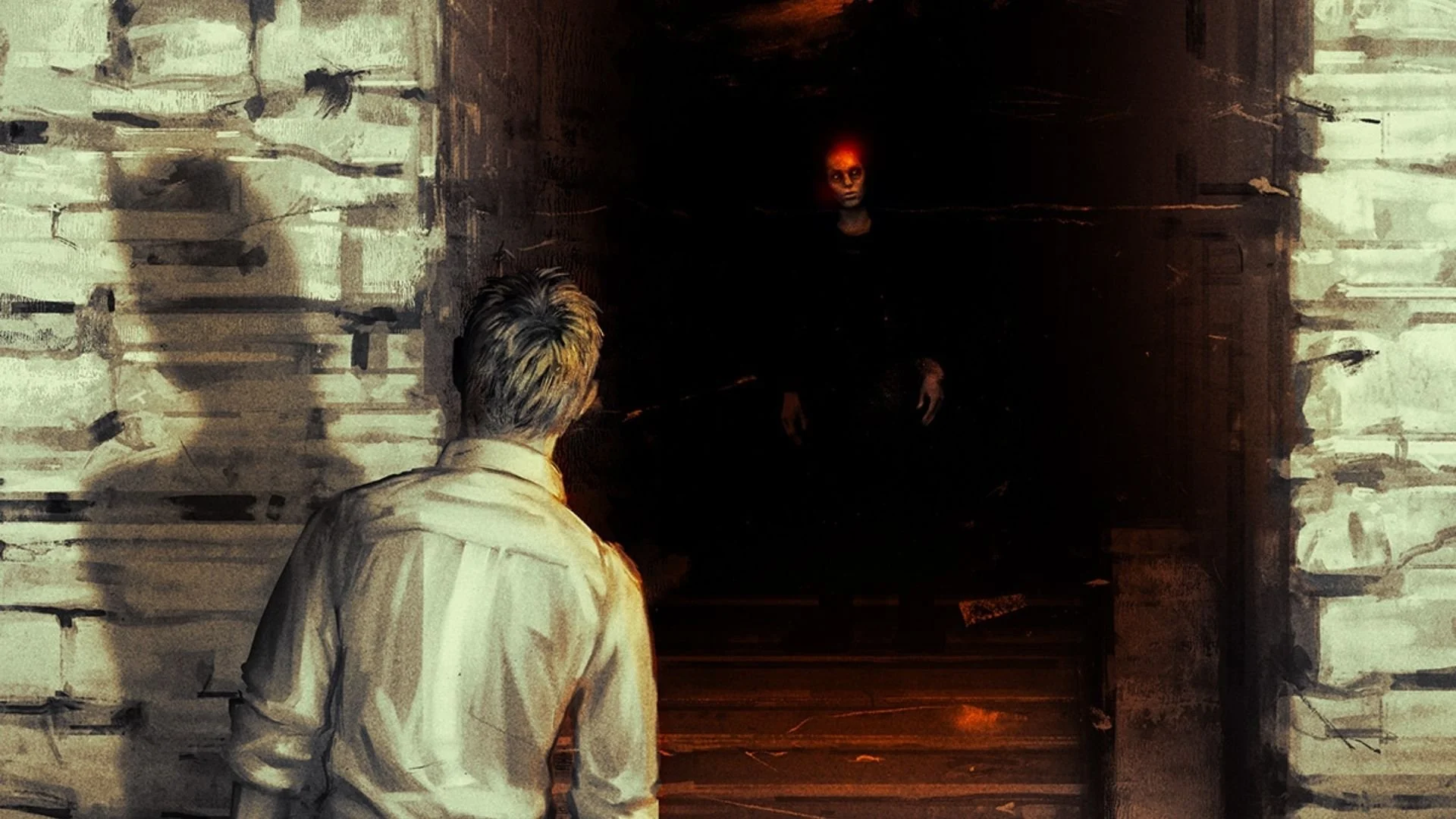
Can I have a cigarette? Image Credit: Rusty Quill, Magnus Archives Board Game Sam Wolfe Connelly
Regarding an Encounter With a Podcast
John Sims is a cynical archivist who is dubious about the supernatural. Despite working in a two-century-old archive that researches supernatural encounters, with some of these accounts becoming distorted unless recorded on a tape recorder, he is only at the Magnus Institute because it’s his job.
John reads aloud these accounts of supernatural encounters, the statements, for the tape recorder in the early stages of the show. Although the story is set between 2016 and 2019, the same time as the show's airing, the use of a tape recorder instead of digital recordings keeps a continuous sense of dread that other podcasts struggle to find.
The entire series is an audio-only format and released to both the website and YouTube, making it easily and readily accessible. Starting with episode one and going in numerical order will play each statement in the correct order, gradually introducing you to new characters and new types of fear the more you listen.
Despite their best efforts, the main cast cannot stay away from the setting of the overarching story, The Magnus Institute, London. While the statements are taken from visitors to the institute, each of their stories takes place in a different location, with a few infamous locations showing up more than once.
No matter where they're set, a majority of the statements do tie into the overarching narrative: a story about the archivists, the institute, and confronting innate human fears.
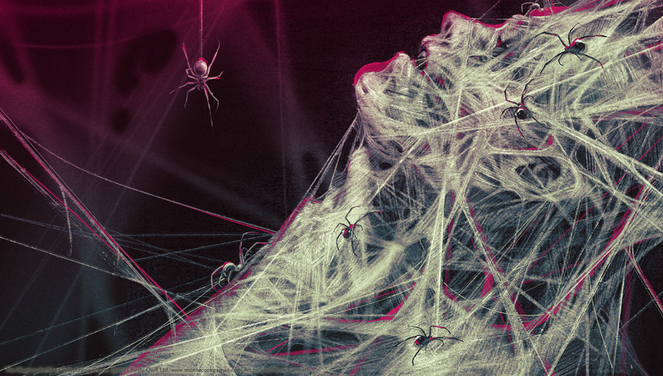
Taking the late shift. Image Credit: Rusty Quill, Magnus Archives Board Game Sam Wolfe Connelly
Caught in the Web
The head archivist, John Sims, begins as the main reader of the statements. Masterfully portrayed by head writer Johnathan, he’s a jaded man who is as skeptical of his co-workers as he is caring. John’s readings of each statement capture and convey the emotions they felt during their encounters, perhaps even more than those that gave them, immersing you in their stories before you have any chance to turn back.
John was given the position after the death of Gertrude Robinson, the previous head archivist, voiced by Sue Sims. She’s no longer recording the statements, but the question of her unachieved goals and what really happened to her is a mystery to be solved through the gradual discovery of her old recordings.
Elias Bouchard, portrayed by Ben Meredith, is exactly the manipulative man you’d expect the head of the Magnus Institute to be. He’s deceptively young and loyal to the powers above him, but he can and has pulled the strings at his own will.
This includes promoting Jonathan and unexpectedly assigning him an archival assistant, Martin Blackwood. A humble assistant who falls short in confidence and credentials, Director Alexander J. Newall captures his growth and developing defiance, making him one of the most engaging characters to follow.
Other archival assistants include Tim Stoker, the supposedly good-looking one, and Sasha James, the only one who seems to get any work done. While some other key characters show up later in the story, the first two seasons revolve around Jonathan and the trio as they find the nightmares haunting those who gave the statements become their problem.
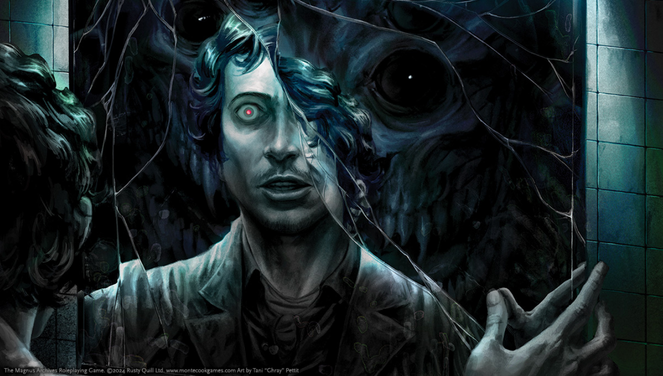
The all-seeing, all-knowing. Image Credit: Rusty Quill, Magnus Archives Board Game, Tani “Ghray” Pettit
Heralds of Fear
The statements each capture a different kind of innate human fear, a format that adds a method to the madness. From the terror of wide skies that refuse to end to the fear of being buried below, identifying the types of fear felt in each story makes it easier to connect these stories.
The Eye - The brand of fear with the strongest hold over the institute, the Eye is the fear of being perceived and the fear of perceiving.
The Corruption - The fear of diseases and filth, and of things that are unhealthy or infectious.
The Web - The fear of manipulation and loss of free will, including fear of being unaware if you are being controlled.
The Flesh - The fear of meat and flesh, and the idea that it was once alive.
The Hunt - The fear of becoming prey.
The Slaughter - The fear of sudden, unmotivated, and unpredictable violence, like that found on battlefields.
The Spiral - The fear of deception and lies, and that reality is twisted.
The Stranger - The fear of the uncanny valley and things that look like something they aren’t.
The Vast - The fear of endless spaces, like open skies or endless sea, and feeling insignificant in comparison to them.
The Buried - The fear of claustrophobia and tight spaces.
The Lonely - The fear of being isolated or alone.
The Dark - The fear of the dark and of the things that we can’t see.
The Desolation - The fear of fire and destruction, or the sudden destruction of things that were not meant to be destroyed.
The End - The fear of death and unavoidable ends.
This method of categorization only makes sense later on in the show, but the majority of statements align with one of these fears. While there are some similarities between the types of fear, the statements follow a pattern that puts them into one of these categories.
The antagonists are often connected to or serve these fears, including Jane Prentiss, one of the first major villains and an avatar of the corruption. This makes them memorable and gives an even better idea of the abilities they hold.
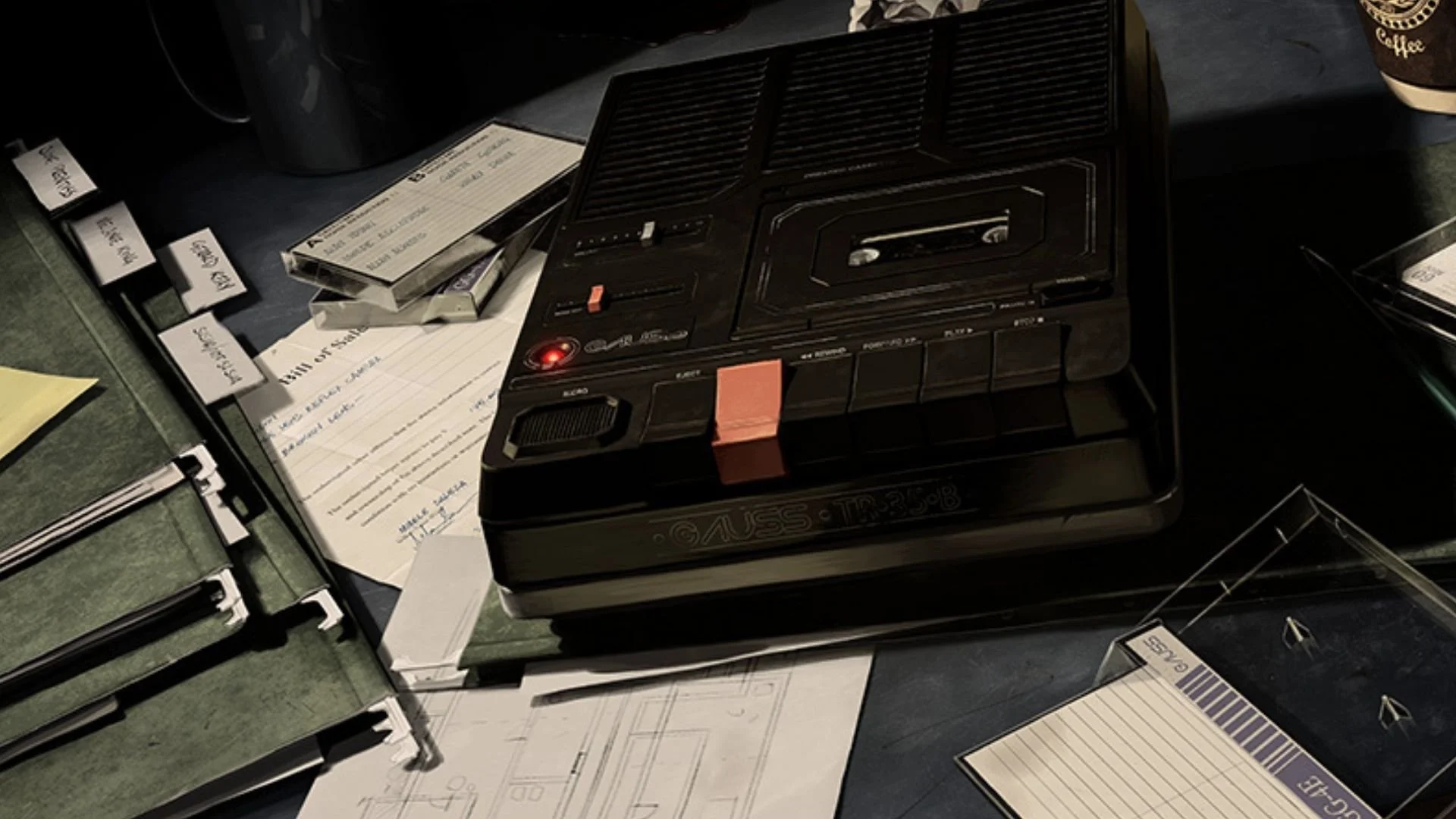
Why does this thing keep turning on by itself? Image Credit: Rusty Quill, Magnus Archives Board Game, Roberto Pitturru
Who's on Tape?
This makes it much easier to keep tabs on significant figures and events if you file each statement into one of these fourteen categories. There are many names and voices connected to each type of fear, but attributing each statement to one of these fears is the ideal way to keep track of information.
The chilling sound design is another reason the stories become unforgettable. Ticking clocks and ambient noise set the scene of the institute before the soundscapes shift to focus on the stories being told. While John's storytelling is often the main focus, accompanying sounds and rising tones when different types of fear are felt help to bring life to the stories he’s reading aloud.
Each episode has a found-footage feel that makes the show feel violently intimate. Making the whole show sound like it’s being played back from tapes makes you feel like you've discovered them, and it’s through these tapes, and the statements, that you learn about the characters' lives. There’s rarely a time the tape recorder isn’t on, but that gives you the chance to learn all about the employees of the archive.
This also gives the show a chance to take some much-needed breaks from the horrors. From stopping a worm infestation to trying to remember what different birds are called, the main cast go through just about everything together. Sometimes that means surviving office life; sometimes that means surviving a circus clown.
The absence of any visuals is perhaps its greatest strength, leading you to imagine what was being recorded whether you intend to or not. The sound design is the stuff of nightmares, and it gives just enough context for you to form your own image of the horrors that the tapes are capturing. Being flexible with its soundscapes keeps it appealing and accessible to listeners of all backgrounds while telling its tales of cosmic horrors.
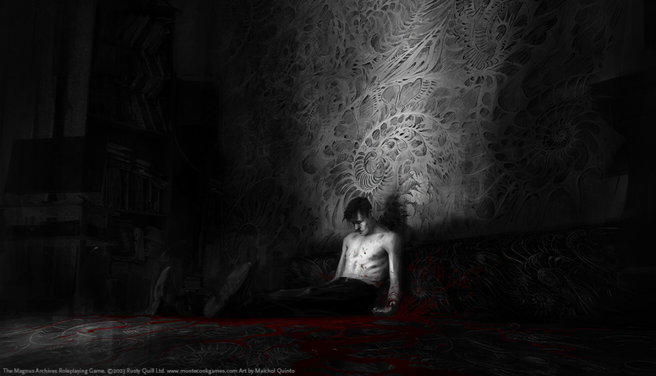
Keep on spiraling down…or perhaps it’s up. Image Credit: Rusty Quill, Magnus Archives Board Game
A Door That Wasn’t There Before
The story relies on these soundscapes to draw listeners in, making it a testament to how much storytelling can be done through sound design. Audio is crucial to creating atmosphere, and The Magnus Archives uses the podcast format to its full effect.
Sound is so crucial to horror because it plays a fundamental role in how we perceive things. The heavy footsteps of Elias or the chilling static surrounding Michel all serve the characters they come from, signifying their presence and who or what they are. Even the most horrifying imagery is incomplete without the correct sound - effective sound design can transform how you perceive the world around you. It makes podcasts the perfect format for horror media and the reason why it’s so easy to lose yourself in the show.
As the overarching story develops, the soundscapes develop alongside it to become more elaborate and detailed. The characters each change, and John reads the statements in even greater detail. This progression makes it just as enjoyable to binge as it is to listen to one episode at a time, and with the whole series now complete, listeners can experience it at their own pace.
The heavy subject matter explored in some of the episodes makes it important to take in the show at your own pace. But it’s a brilliantly crafted piece of cosmic horror fiction, one that I can’t recommend enough to those looking for a great scare.
With a sequel series, The Magnus Protocol, currently releasing, and a prequel Novel, “From the Library of Jurgen Leitner,” coming in October 2026, it’s a great time to enter into the Magnus world. Don't listen with the lights out, for it is all that is fear and all that is terror rolled into one.
Writer: Jonny Sims
Publisher: Rusty Quill
On: Youtube
Release Date: 24/03/2016 (Episode 1) to 03/25/2021 (episode 200)
Learn more about The Magnus Archives by visiting the official website.
Are you ready to dive into the archives? Share with us in the comments.
YOU MIGHT LIKE



I'm not one who favors this genre of atmospheric puzzle platformers, but the visuals and pretense of running from danger lured me in.