

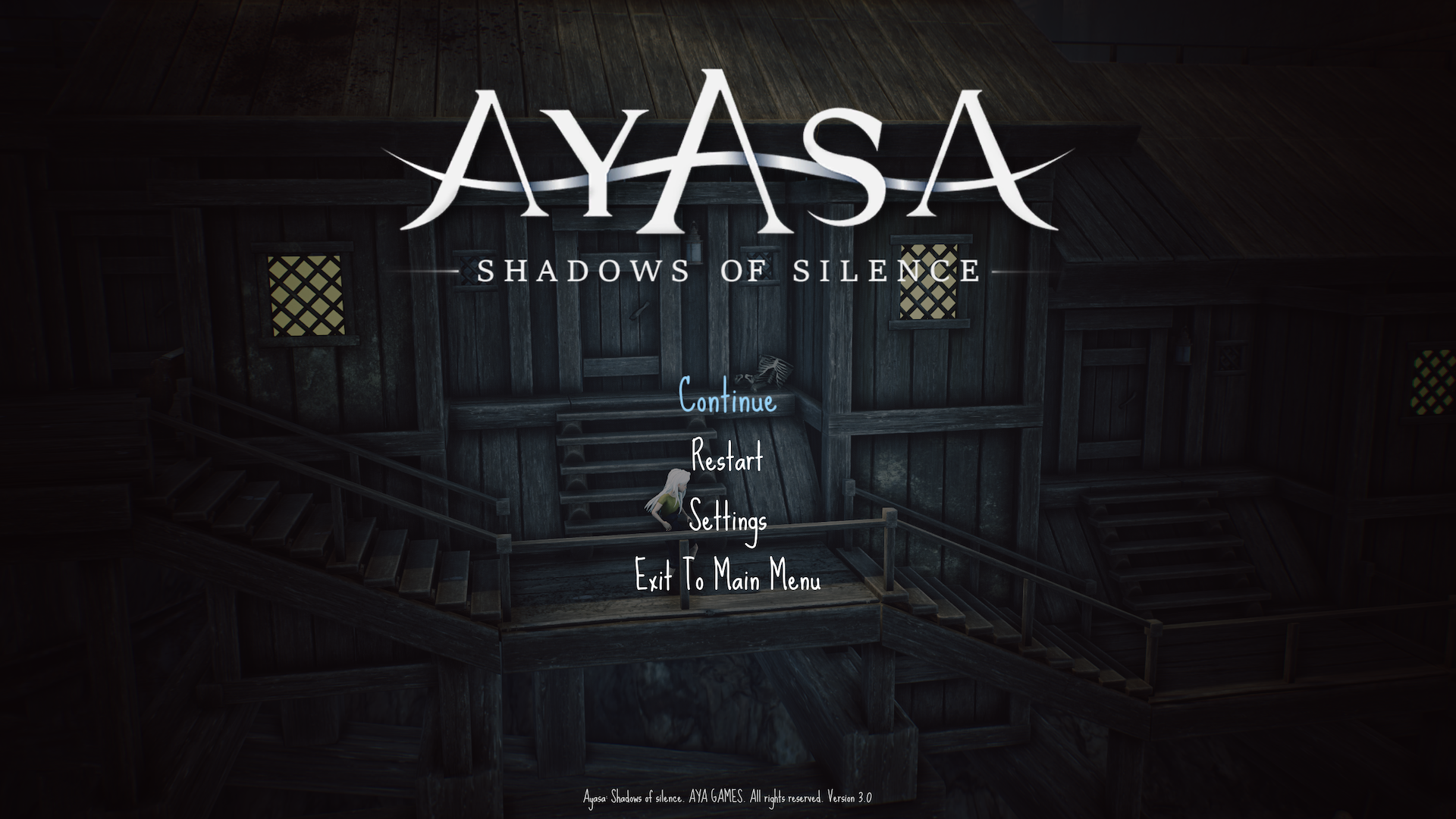
“A game without hope is a game without substance”
I'm not one who favors this genre of atmospheric puzzle platformers, but the visuals and pretense of running from danger lured me in. I played Limbo when it came out and within a week or so I had beaten it. The puzzles were engaging and the world dark and dreary, but the story felt empty and I never went back to that genre. Ayasa: Shadows of Silence, managed to give me another drab and desolate story where you die an unimaginable amount of times and there is little to no sense of a story, unless you know Eastern European history and imagery.
It’s in my nature as a human and gamer to always see the bright side and give all games that even remotely interest me a fair chance. After spending roughly ten hours in the game, I managed to beat it and along the way I discovered that I never want to return to this game, specifically, and its genre of gaming altogether. I went into it with hope as the trailer showed a world that suffered from some sort of apocalyptic event, but a hero rose from the ashes and was set to turn things around. I should’ve known that I would have issues with this game as the first achievement I got was for dying for the first time. The achievement was titled, “First Death” and it should’ve been a very obvious albatross to how the rest of the game would go.
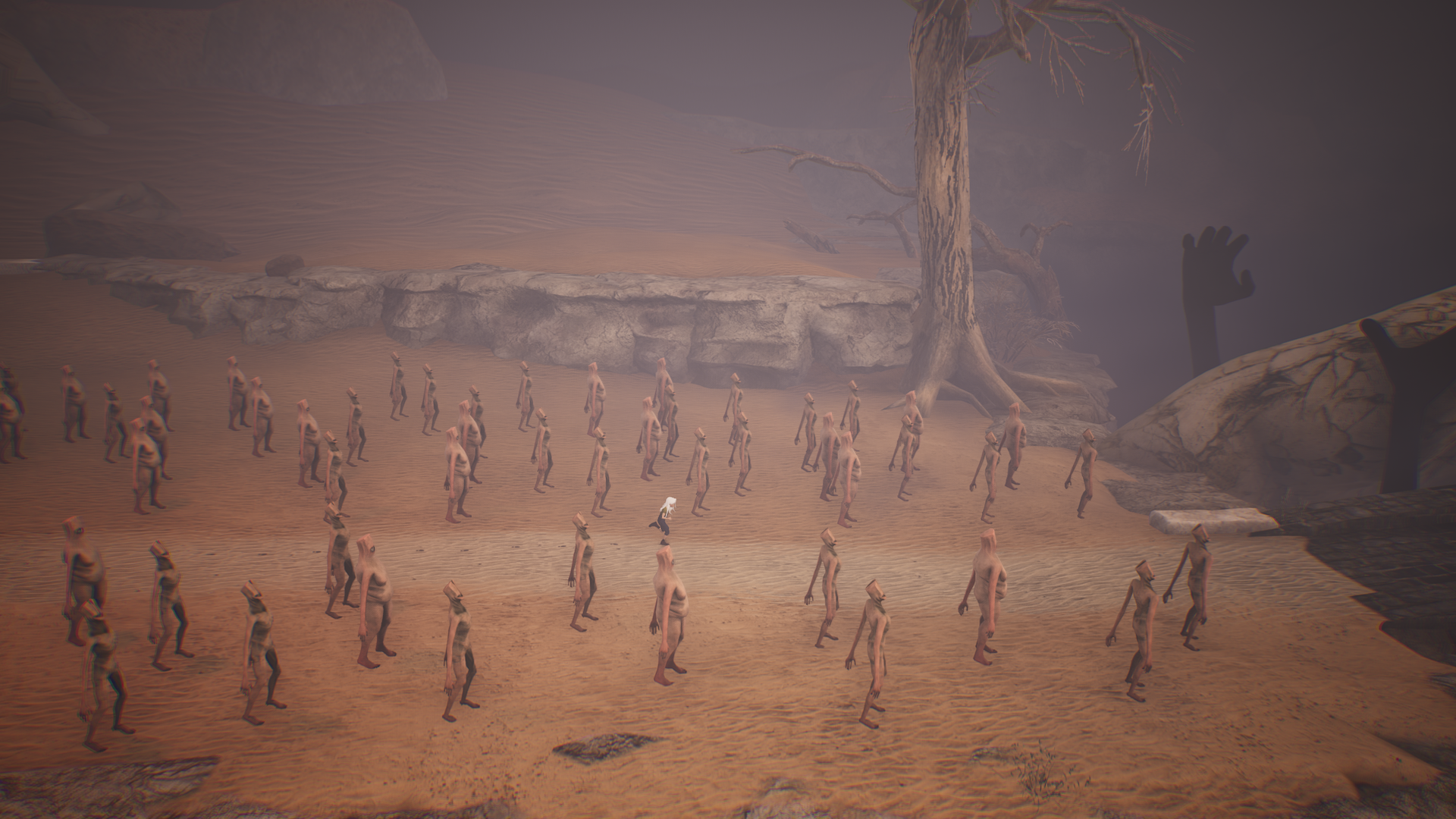
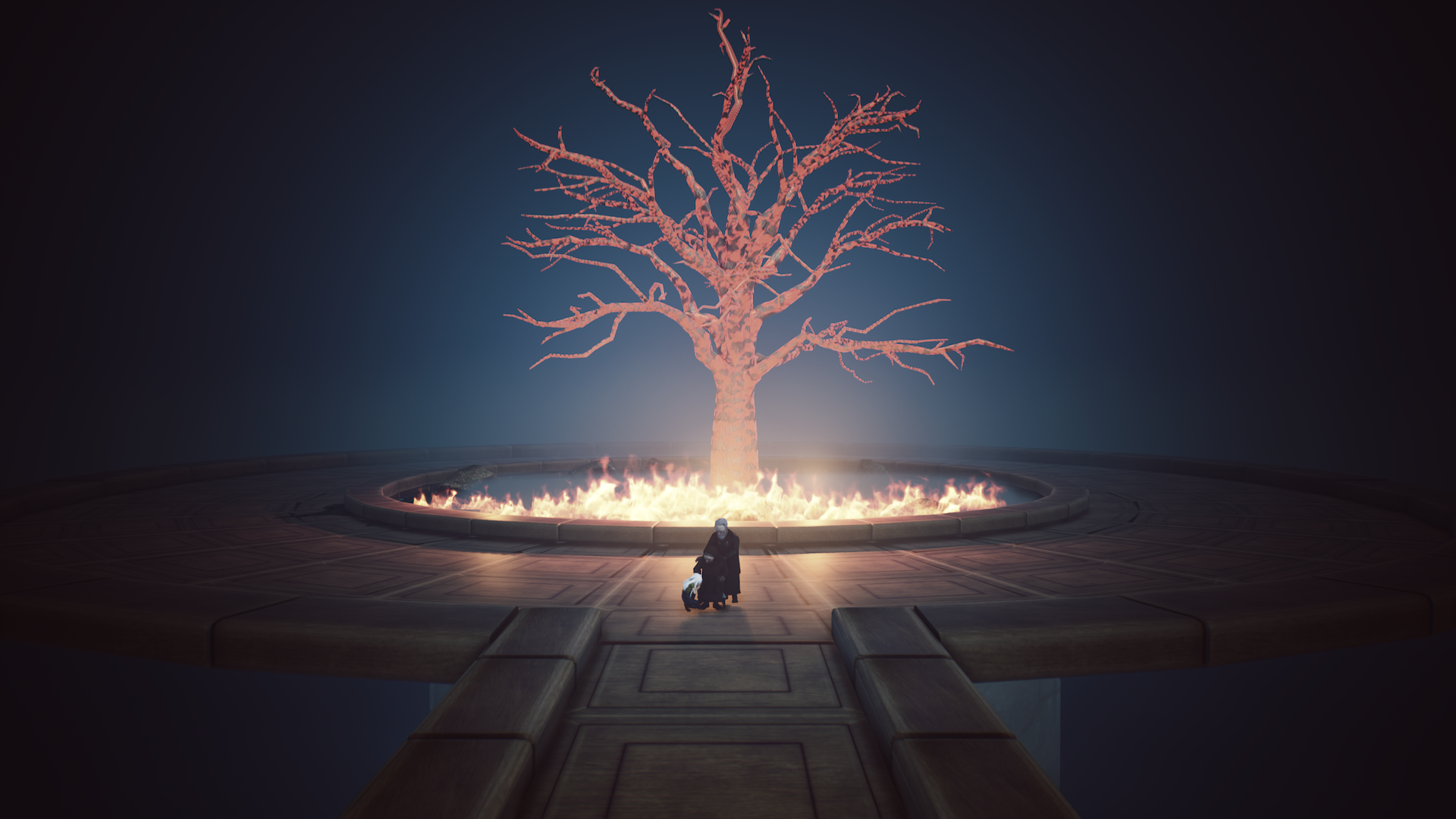
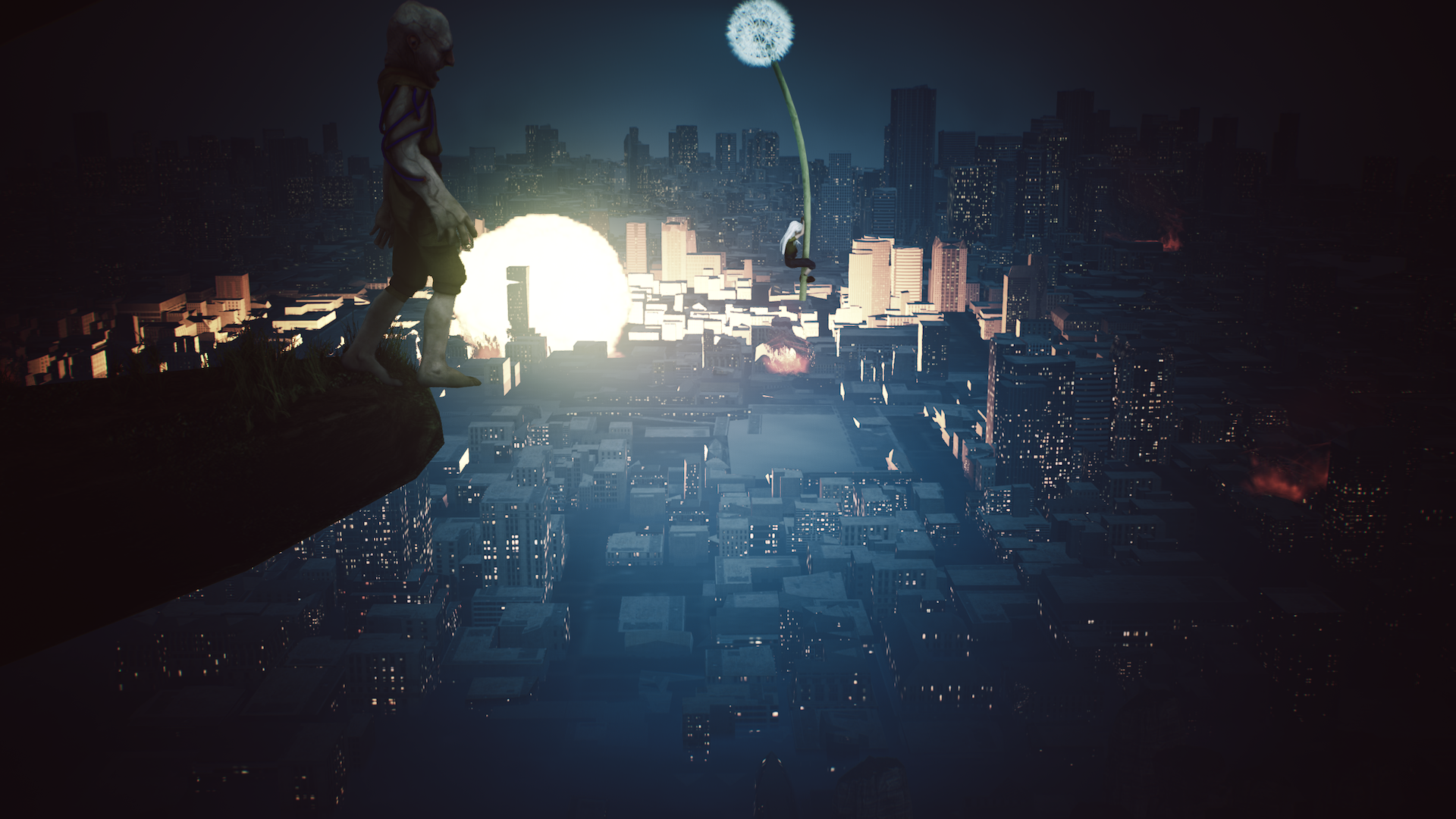
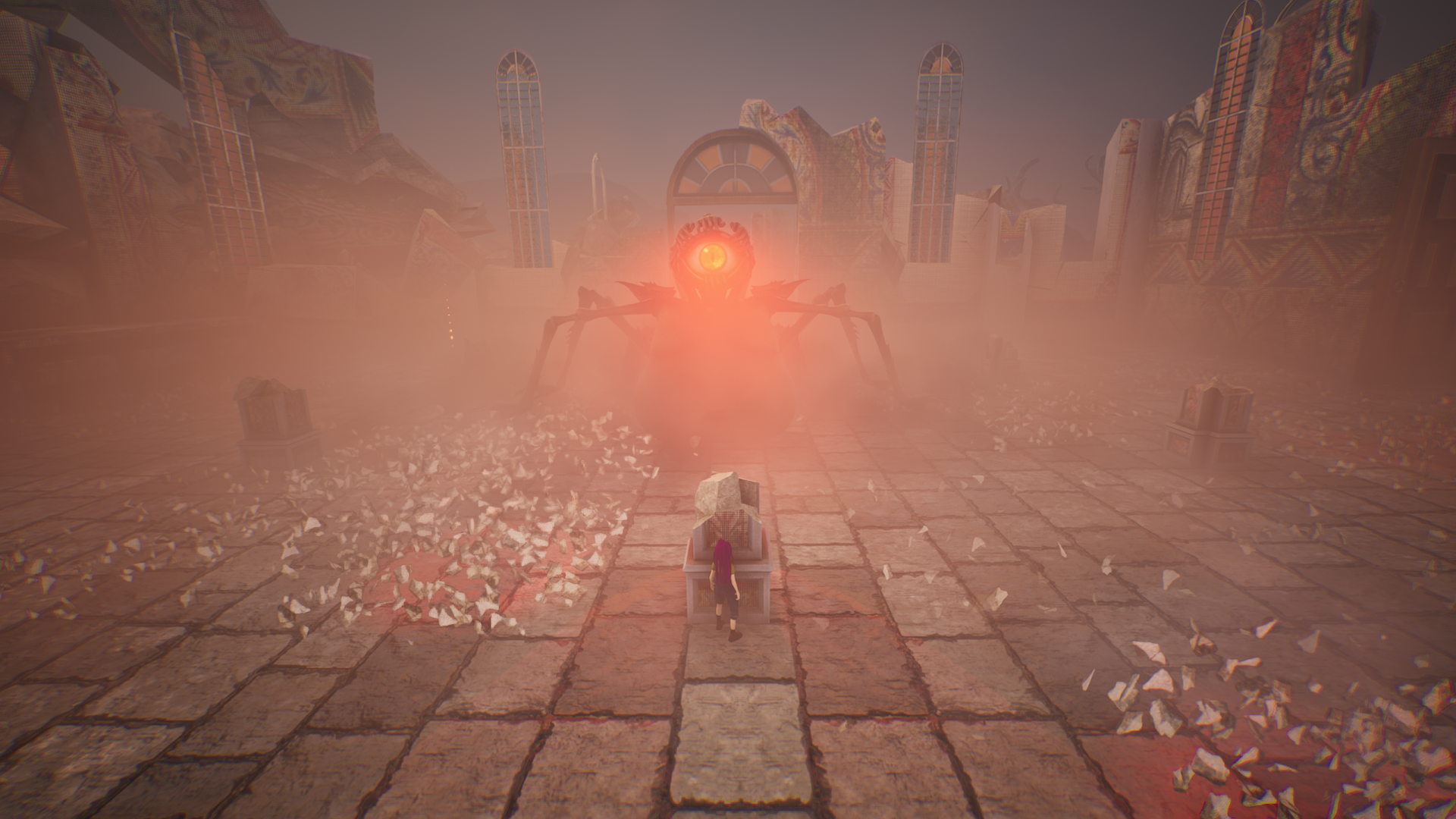
Before I dive into the many qualms I have with the game, the art, animation and music need to be discussed. From the very start, the music matches the art in that you immediately get the sense that the world you’re in is vastly hopeless. Both the visuals and music are beautiful in the sense that a thing does not have to be appealing to be beautiful. The sheer horror of the twisted beings and a world on fire really show the attention to detail the small group of developers paid to the design. However, this intricate layering of art and music is where the attention to detail seems to end.
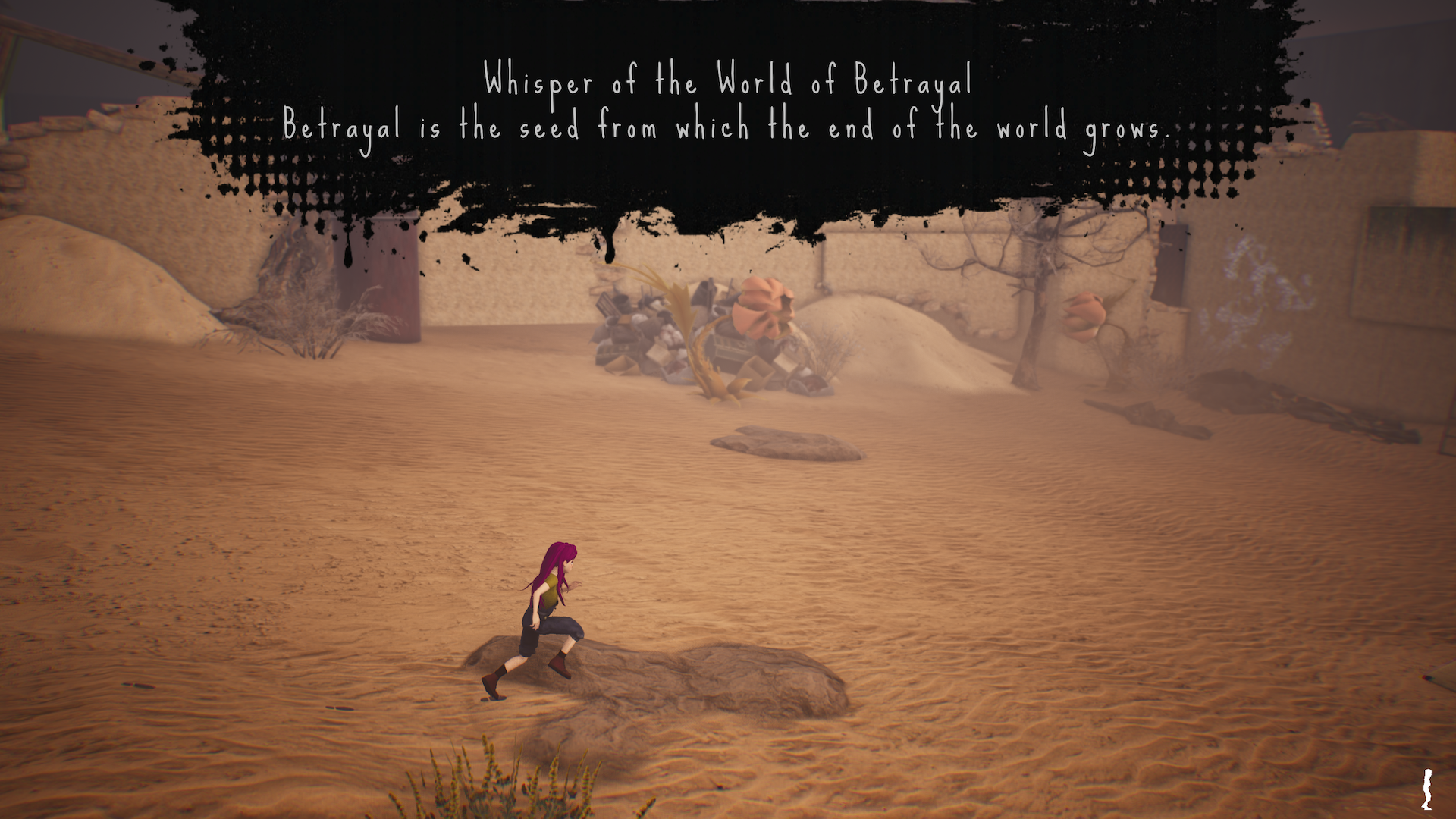
The animation and gameplay left me wanting to buy a ticket to visit the developers and torture them as much as they tortured me. I’m not above dying in a game, especially one that I knew had some similarities to Limbo, but to die because the jump button did not read properly or because the very outside edge of a lift managed to barely touch me and kill me was infuriating. In the time spent on solving the various puzzles, I died for many reasons, few that were because of environmental or character hazards. If this wasn’t worse enough, the auto save points are few and far between. Too many times to count, I died just as I had almost finished a puzzle and I was sent back to an area before the puzzle even began. I would understand dying and respawning back to the beginning of the puzzle, but that was almost never the case. Any progress you would make could be instantly taken from you and force you to make your way back, hoping you didn’t make the same mistake and die again.
Aside from savepoint scarcity, the load times for this game were very disproportionate to its size and scale. Limbo would bring you back almost instantaneously, but Ayasa forces you to watch the same eyeball loading screen for just enough time to make you question your life decisions. I come from a time in gaming where one wrong move in a game like the original Knights of the Old Republic would lead you to at least two minutes of loading back into the game. For a game that size it made sense, but having to live through a consistent death cycle should yield load times quicker than 20 to 30 seconds. Not that it would’ve softened the blow of dying for nearly no reason, but at least you wouldn’t have time to stew in your own failure juice.
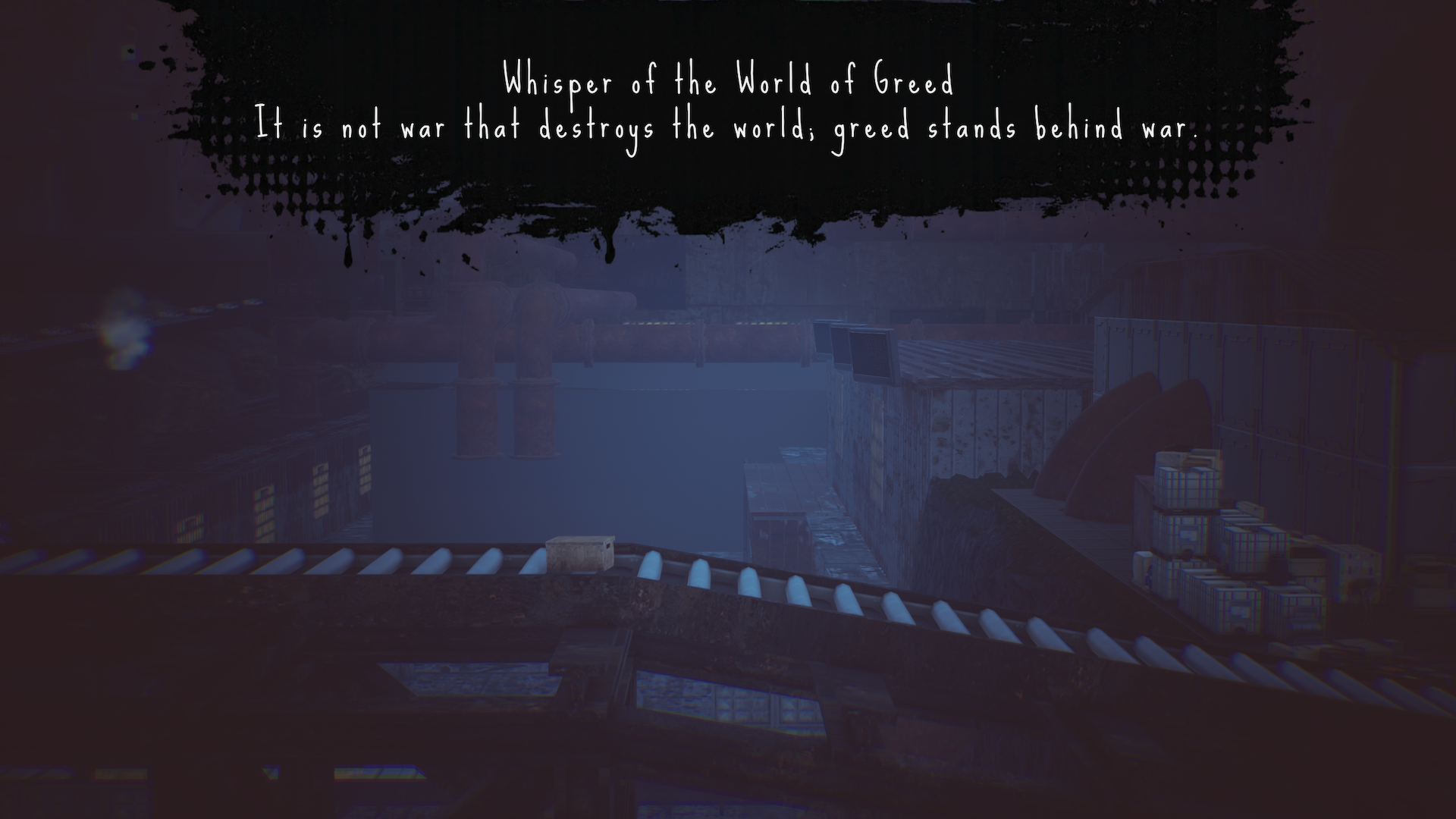
Another major hangup in the level design was the use of foreground and background within each level. In theory being able to move more than just left and right would expand the game in ways that are appealing and fulfilling. In Ayasa the movement is more gimmick than function. While running from enemies or just traversing a level, I would get stuck on a piece of wood or obstacle. In running over the varied obstacles, you could very easily fall off because you hit your thumbstick just a little too much up or down. Maybe it's just me, but to die because you were just a hair off in your controls is just unnecessary and cruel.
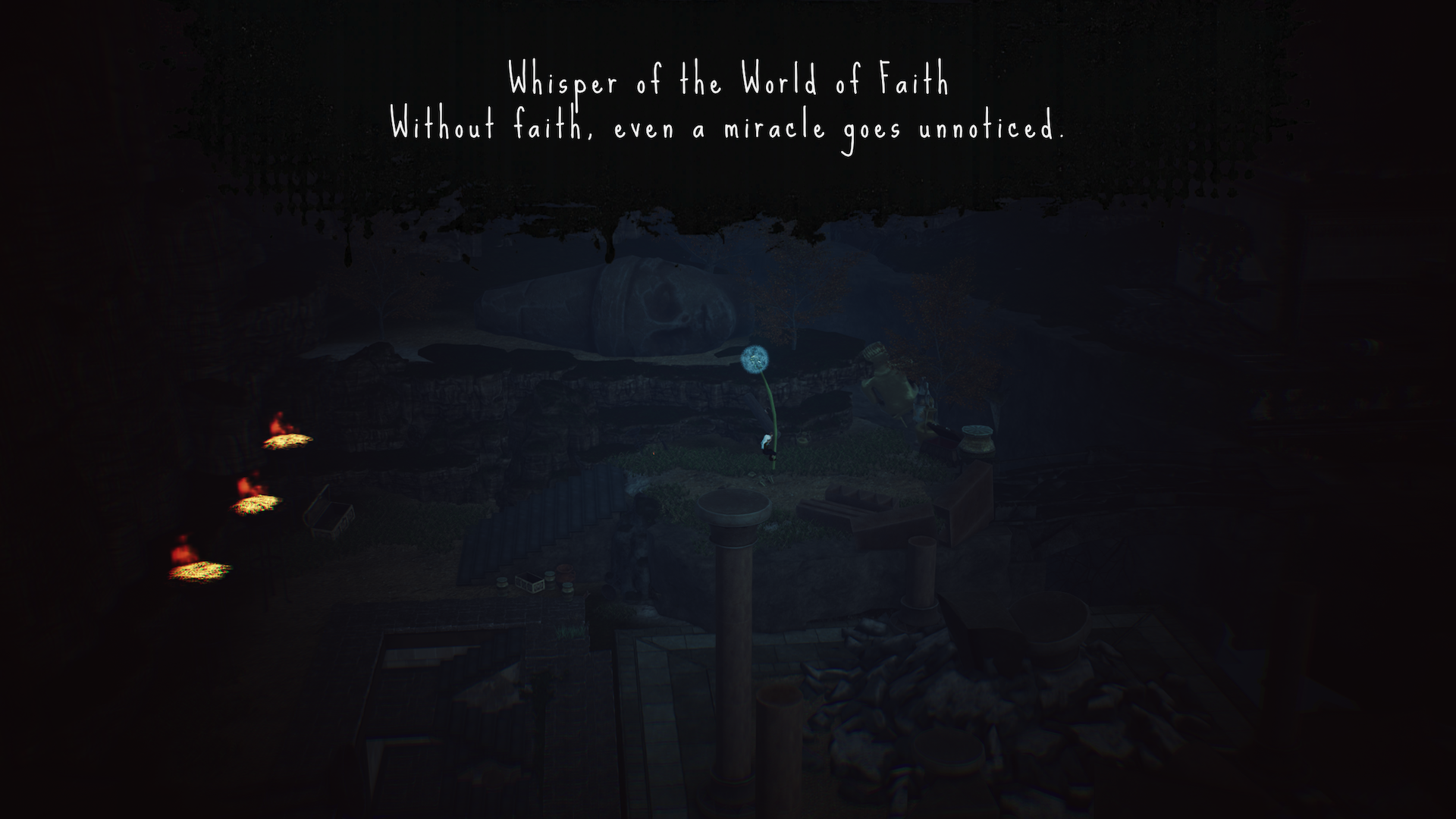
Next, each level gives you a different ability to “help” you through this world. The first ability you get is temporal or time reversal. With the touch of a button you can rewind the rubble in front of you. From rebuilding bridges to clearing an area where rubble fell, your character can manipulate time and objects. This is a barely functional ability as you can be off by half a second and the bridges will fall and the rubble will bury you. I found myself having to watch videos to ensure I was doing the right thing, but just not “in time”. The next ability you get is temporary invisibility, and while it is the most useful ability, it lasts long enough to just get you through any given part in the game. This ability is only utilized to get past certain enemies that would just run up on you and kill you with a swipe of its hand. After invisibility, you get the final ability of light or a small candle that can be lit temporarily. I never found one single part of the game where this would help you. It is literally a useless ability that only succeeds at lighting up an extremely dismal and depressing world.
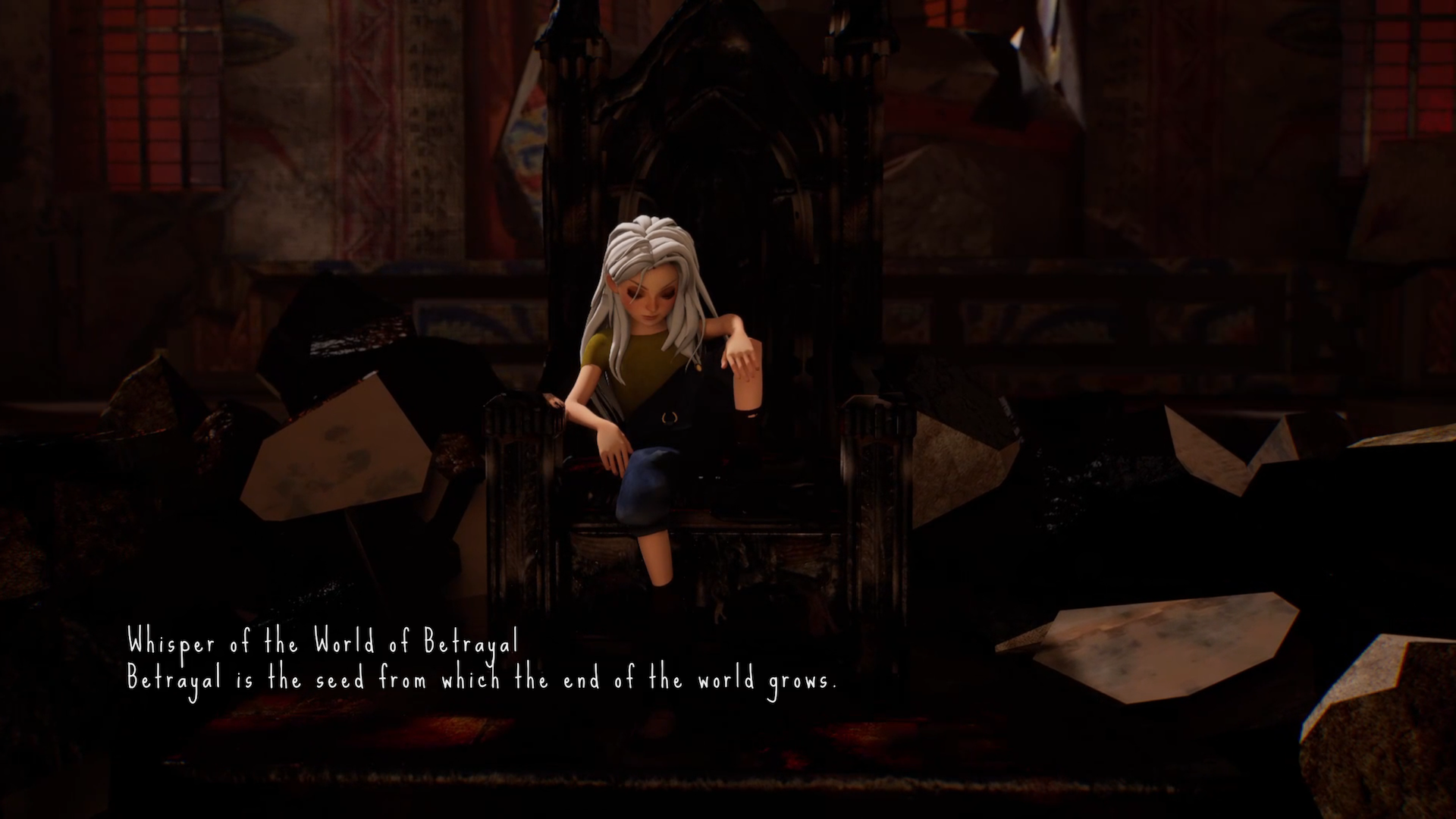
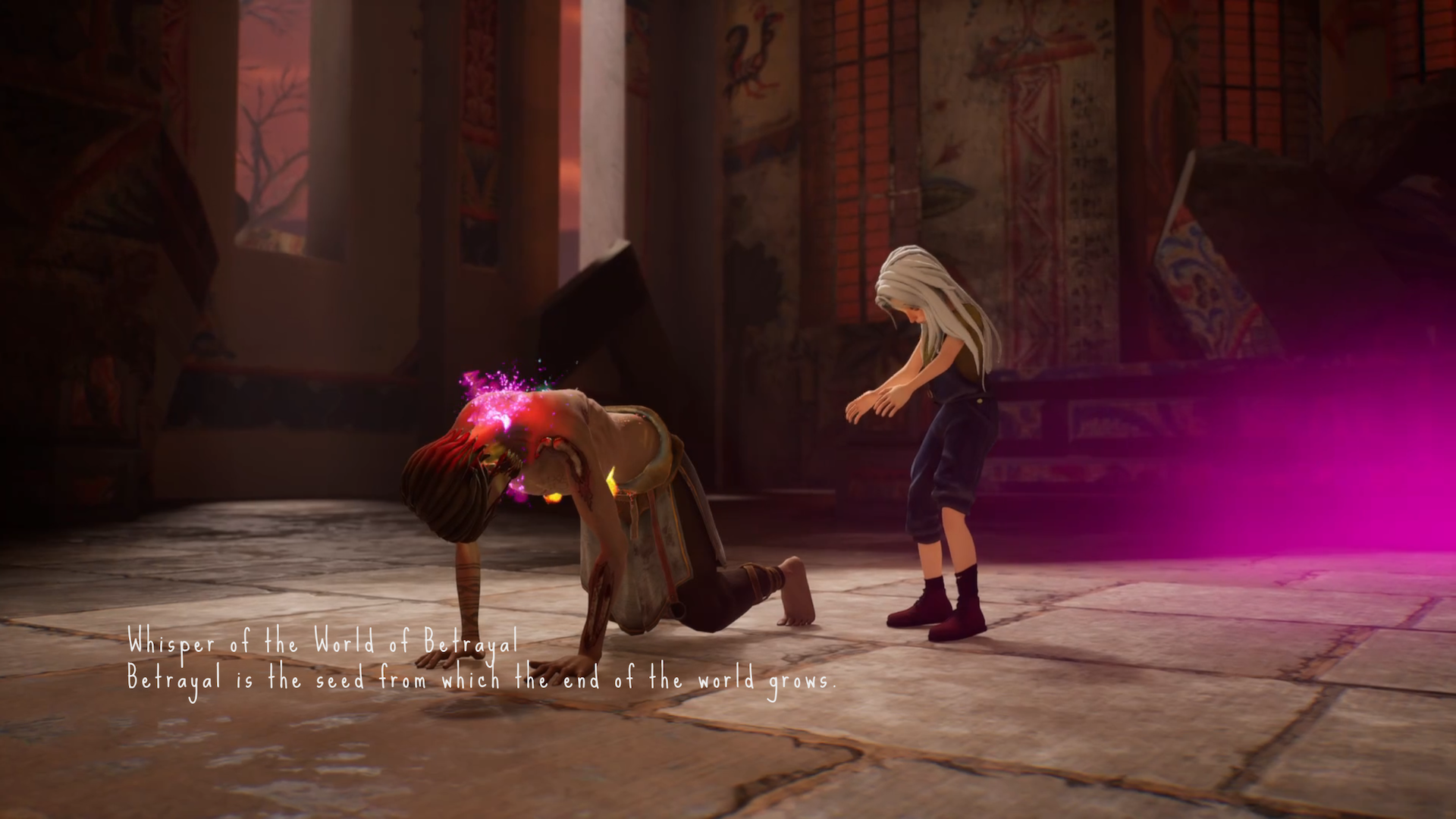
If these design flaws weren’t enough, the story or lack thereof, is built from one sentence philosophies in a teacup. The game wants you to believe that your character is bringing hope back into this world and by the end of it, you’d see at least some incremental change with all that you did. Once the final scene drops, your character just joins in as the last woman left standing in a throne of darkness. With one leg up, you pose like a bratty princess ready to pick up where all your fallen enemies left off and all of the minimal character development you gained was lost in an instance as the screen fades to black. This is the “Ruin” ending and there is indeed another, positive or “Redemption” ending. I’m not certain what the requirements are for the endings as there is no direction in the game. In other games I’ve played that have multiple endings, there is typically some direction through dialogue choices. I imagine the redemption ending is obtained by finding the hidden spots throughout the five levels. When I beat the game I unlocked three of them in my casual playthrough.
I have spoken very negatively about this game and to summarize my overall experience, I chose to organize them in bullet points as I don’t feel a single paragraph would do my disappointment justice.
Positives:
The art and music are great and match the mood the developers created.
A small development team allows for a personal story of one person changing the world.
Negatives:
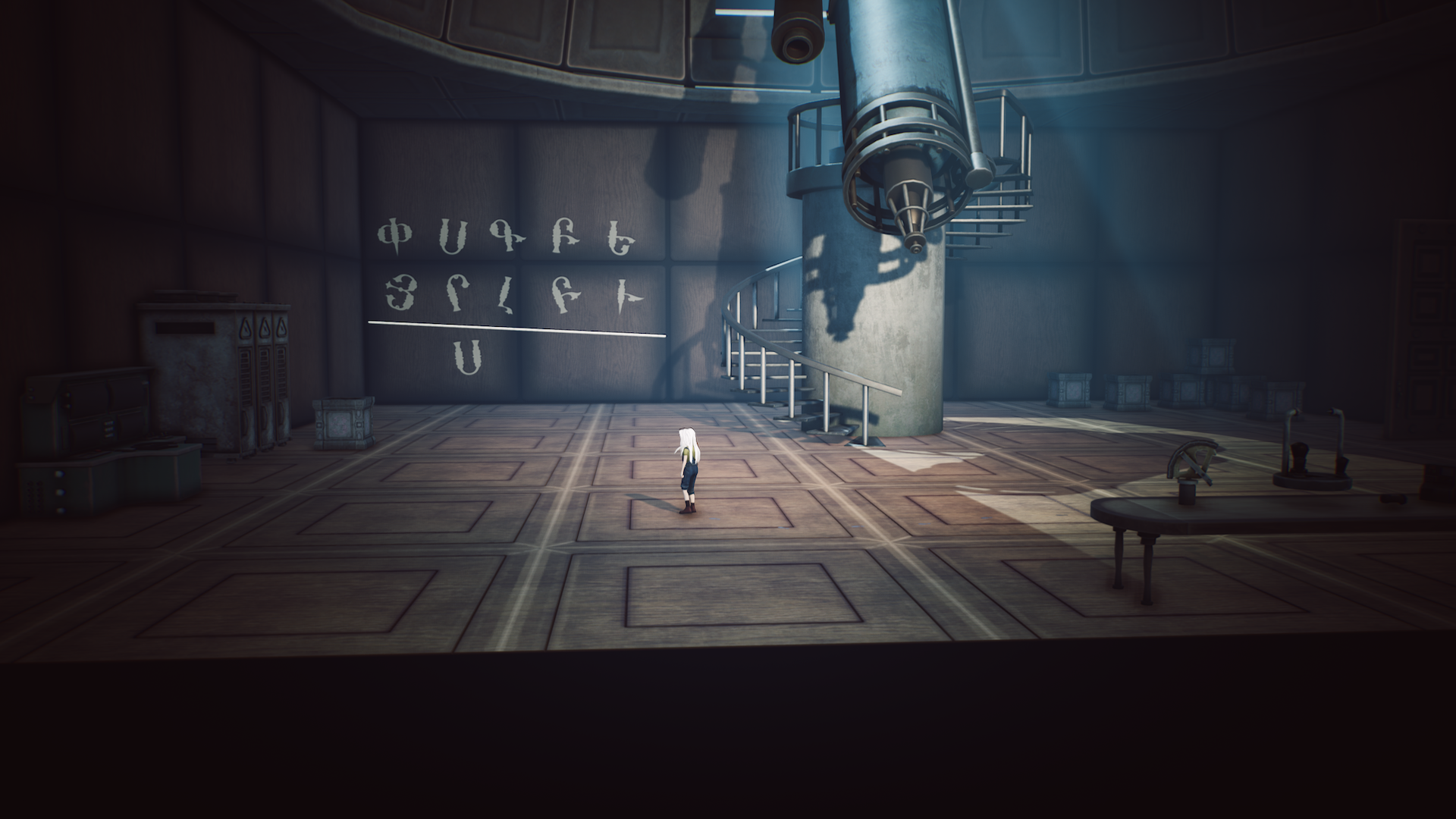
No words mean no guidance and in a game where there is no guidance, I felt very uninterested and uncommitted to the game.
The puzzles are too simple and leave a lot on the table. For a game that punishes you with death almost every minute, you’d think they’d match that energy with complex and adult level difficulty.
There are hidden areas that activate achievements that activate a positive/redemption ending, but there is no way of knowing this as the areas have no dialogue.
I struggled with not knowing when one level ends and one begins. A clear separation of levels would have at least given me some sense of accomplishment in a game where it felt more like a chore than an enjoyable gaming experience.
Learn more about Ayasa by visiting the official website. Screenshots were captured using
XBOX Series X Game Capture.
A digital copy was provided.
Played on: Xbox Series X
Developer: Aya Games
Publisher: Aya Games
Demo: No
Release Date: STEAM/EPIC: November 28th, 2025. PlayStation 5 and Xbox Series S/X: October 26th, 2026
Get Ready To Die….A Lot. Share your deaths with us in the comments.
MORE REVIEWS LIKE THIS


I'm not one who favors this genre of atmospheric puzzle platformers, but the visuals and pretense of running from danger lured me in.