

Developer: Team Silent
Publisher: Konami
Available On: PS1
Played on: PS1
Demo: N/A
Release Date: February 23rd 1999
This Is (Not) A Dream…
This review will contain plot spoilers.
With the release of Bloober Team's acclaimed Silent Hill 2 remake, Silent Hill has returned from the dead. The series is a remnant of our restless dreams no longer. Remakes of the other Team Silent games are sure to follow hot on its heels, and soon we’ll likely be seeing our first glimpse of the still-in-development Silent Hill remake. And whilst I’m certain Bloober Team's slick, modern-tech recreation of the town’s fog and flame will be a successful one, much of what made the original so special will not survive the transition. Those elements are worth remembering. As an emissary emerging from the fog, I come to you today to urge you to play (or replay!) the original PlayStation classic. Time has not dulled its spark or softened its bite.
Silent Hill was an undeniable shock to the system. The first glimpse of the town most players received was through the demo disc that came bundled with Konami’s other genre-defining sixth-gen monolith, Metal Gear Solid. (Apologies if that made you feel old; the feeling is mutual!) In its own way, the action-stealth masterpiece uses the PS1’s limited hardware to establish an unforgettable tone - has there been any other setting in the series more memorable than the hulking architecture and blistering chill of Shadow Moses? The system’s best games saw the technology as a blessing, not a curse. Metal Gear Solid is no exception. But it’s easy to feel Kojima’s boundless ambitions straining beyond the capabilities of the PlayStation. Silent Hill, however, bent those limitations to its will, creating one of the most singular and defining horror titles of all time.
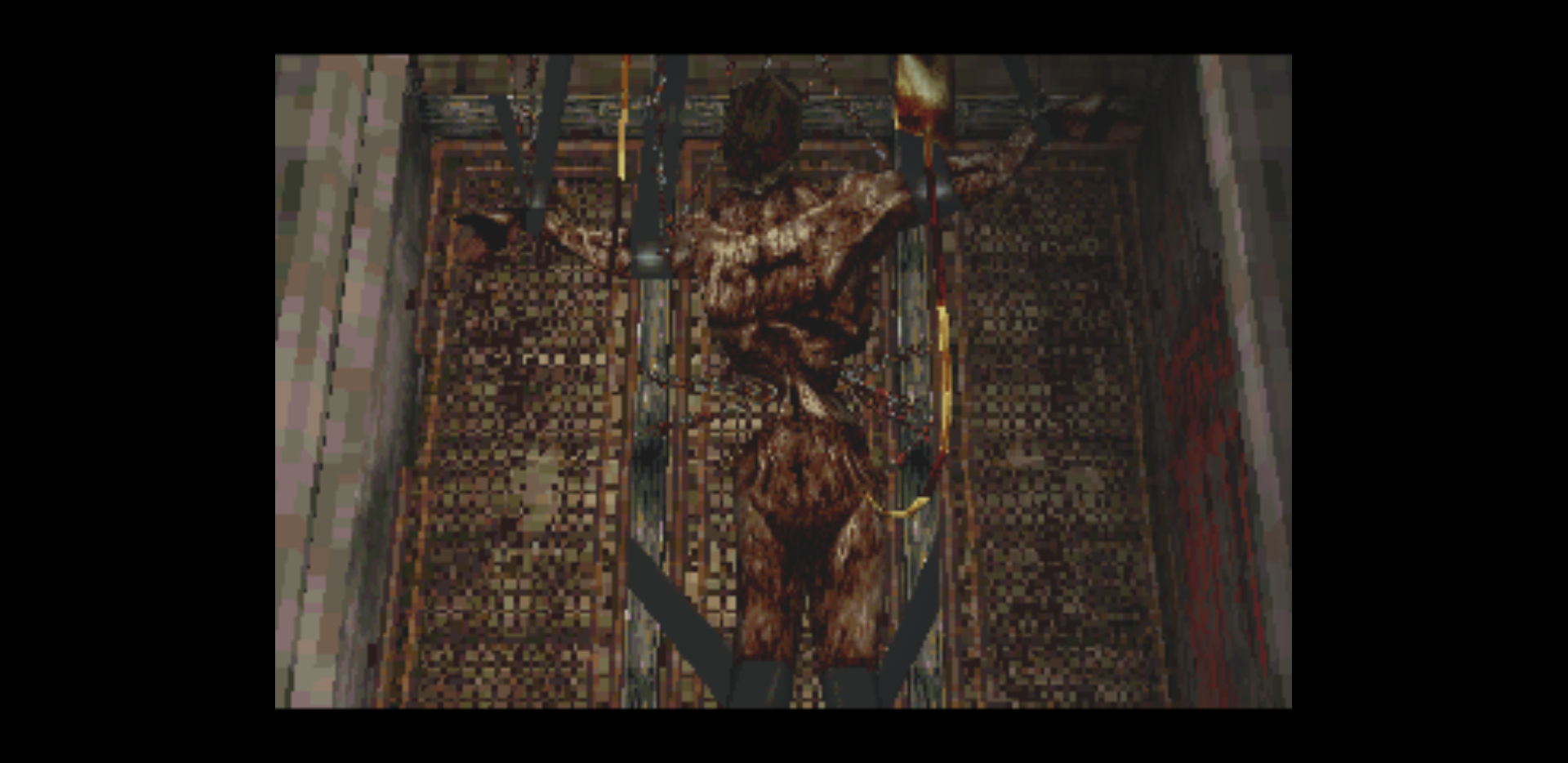
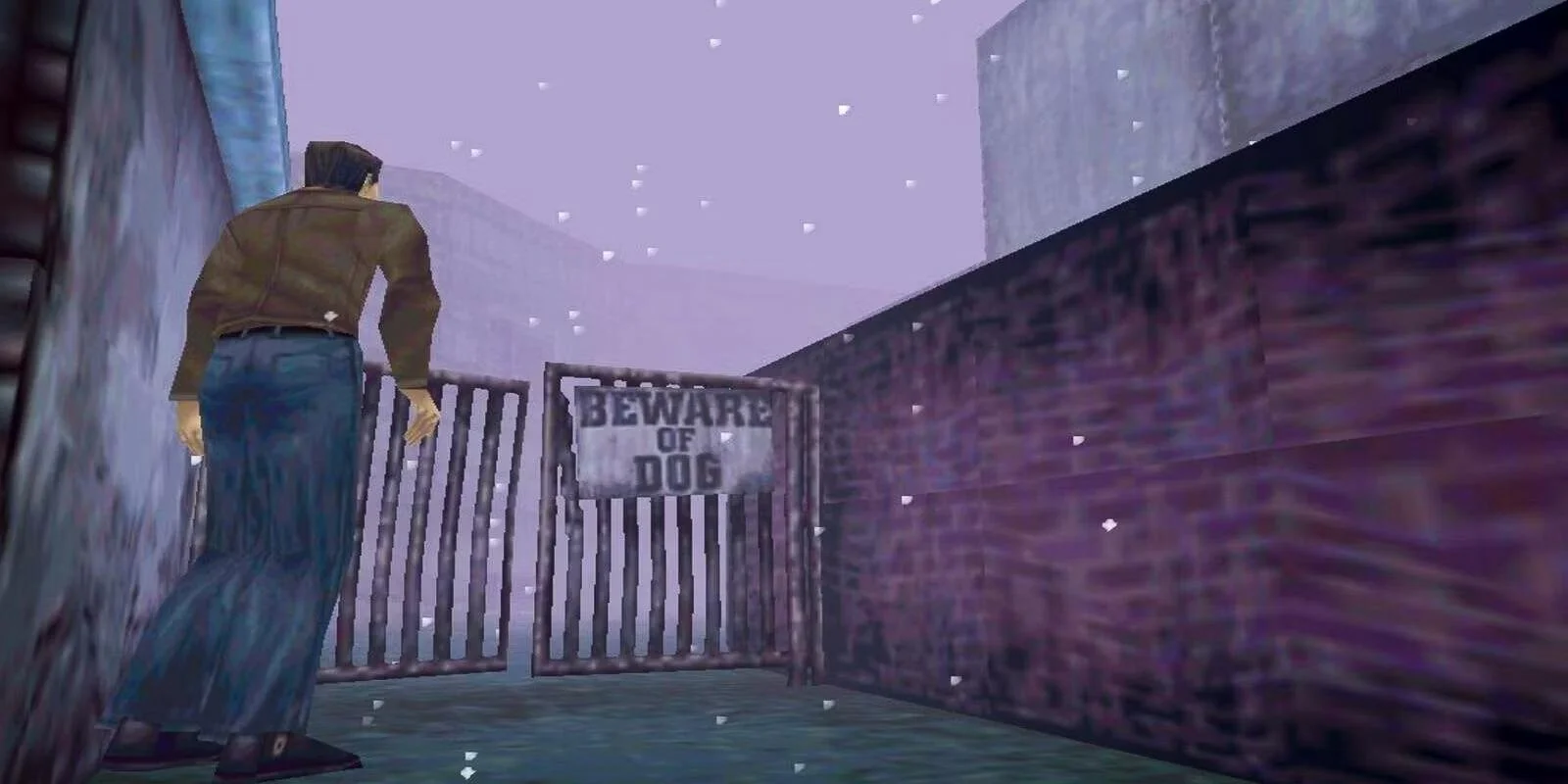
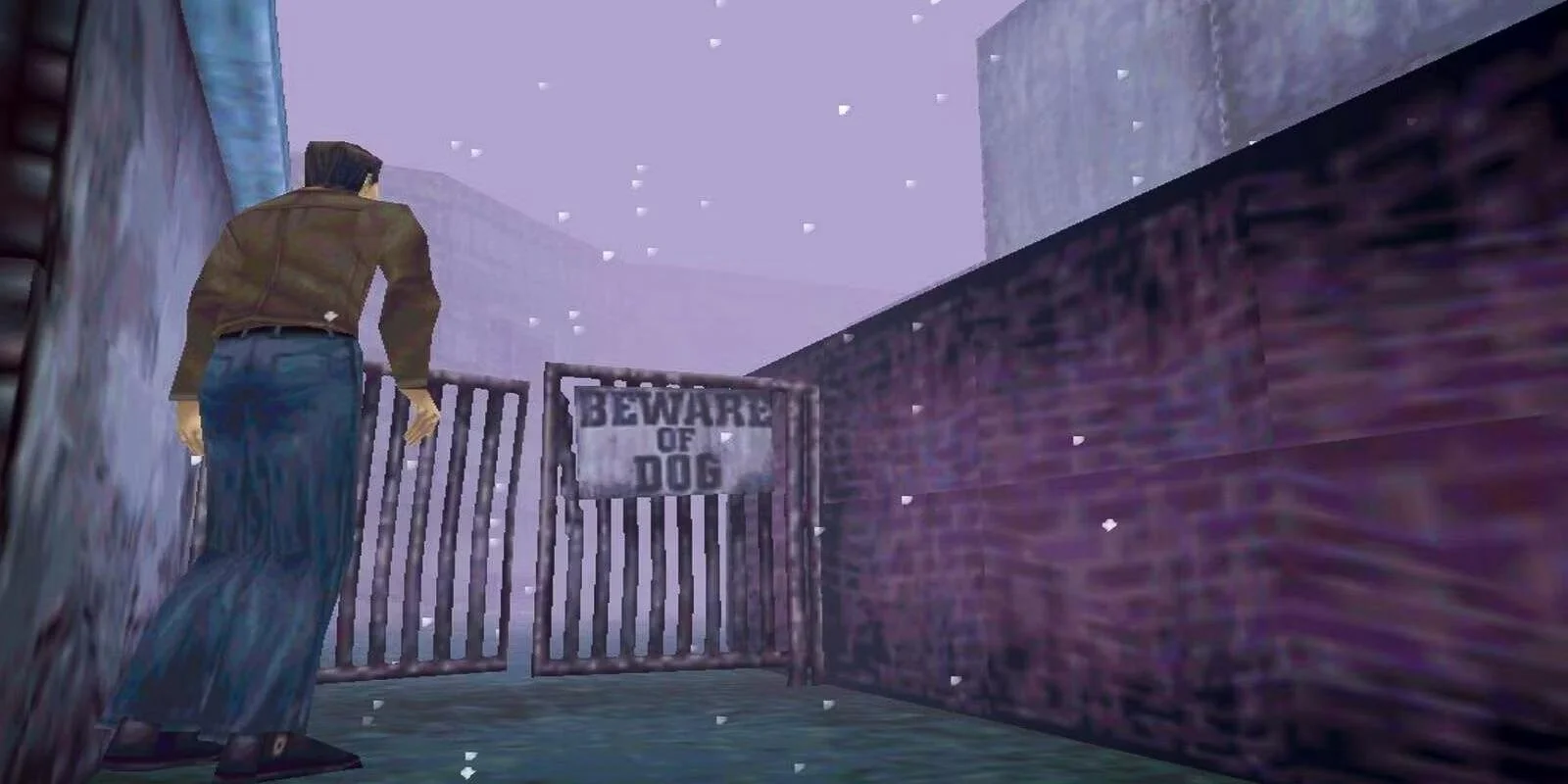
So much of what we have attempted to purge from survival horror reaches full, masterful expression in Silent Hill. The fixed camera angles abandoned by modern Resident Evil and only re-emerging through retro-revivals are used with confidence here. The game is not limited to these fixed angles - exploring the game’s environments wisely allows the player to freely control the camera - but, when they are employed, it is to great effect. One of my favourite moments is the opening sequence: Harry Mason creeping through the cold, cramped alleyways, the tension building to a horrifying crescendo in the discovery of a mutilated corpse. So much of that tension is drawn from the fixed angles. The dizzying, bird's-eye view twisting and winding over the alleyways creates the unnerving feeling of being watched - hemmed in and cornered by some unseen, malevolent creature, perched just out of view.
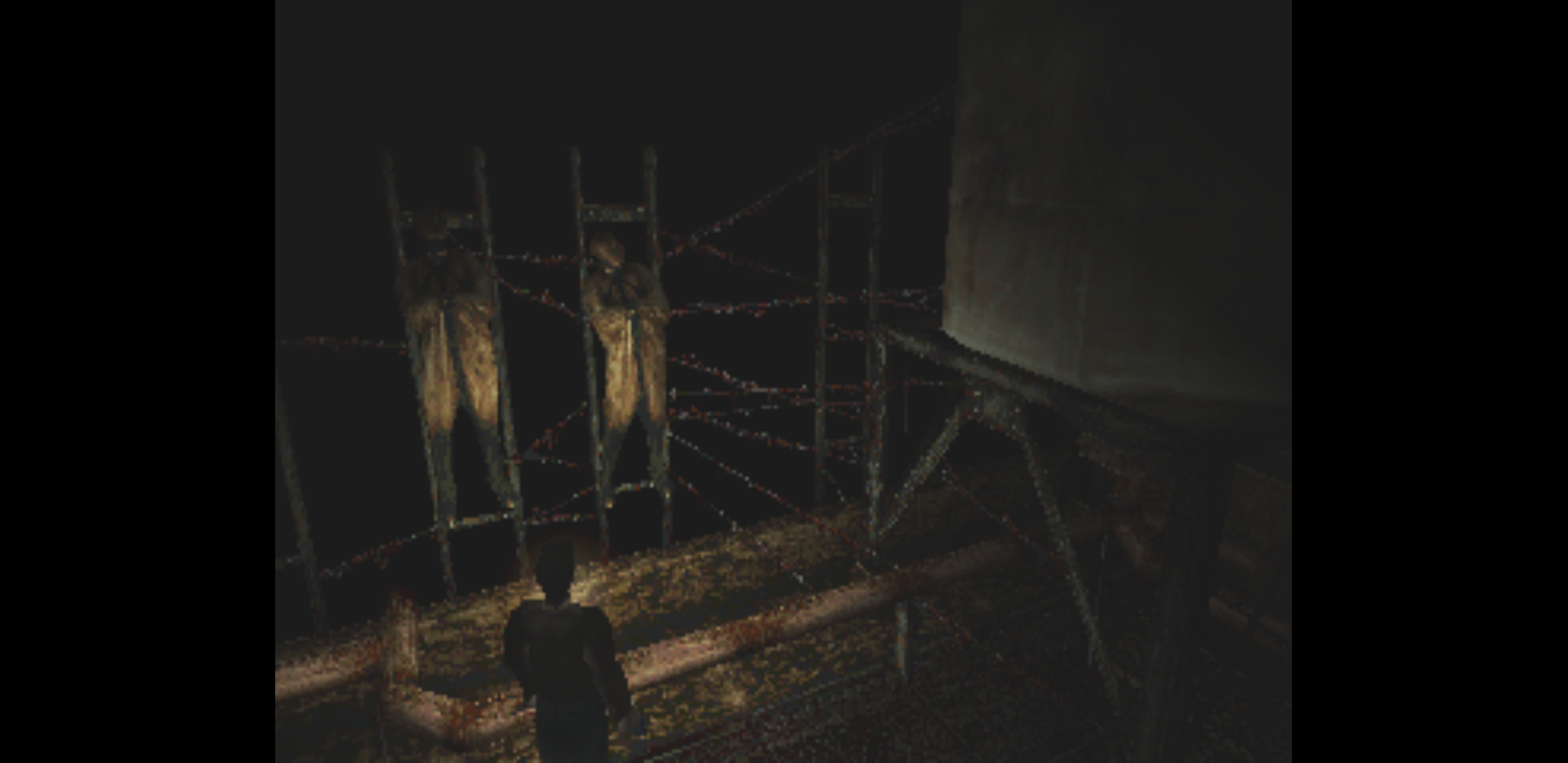
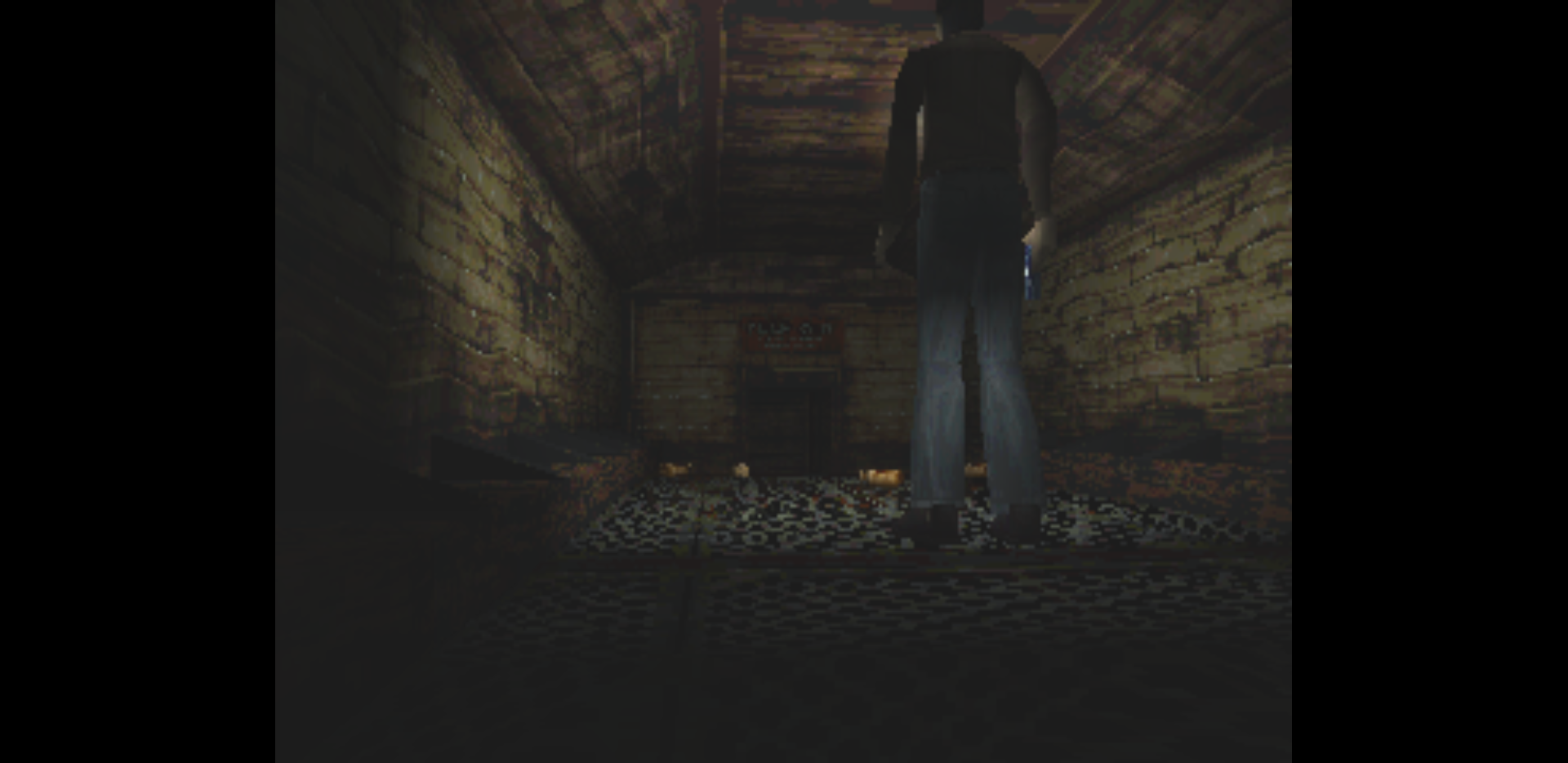
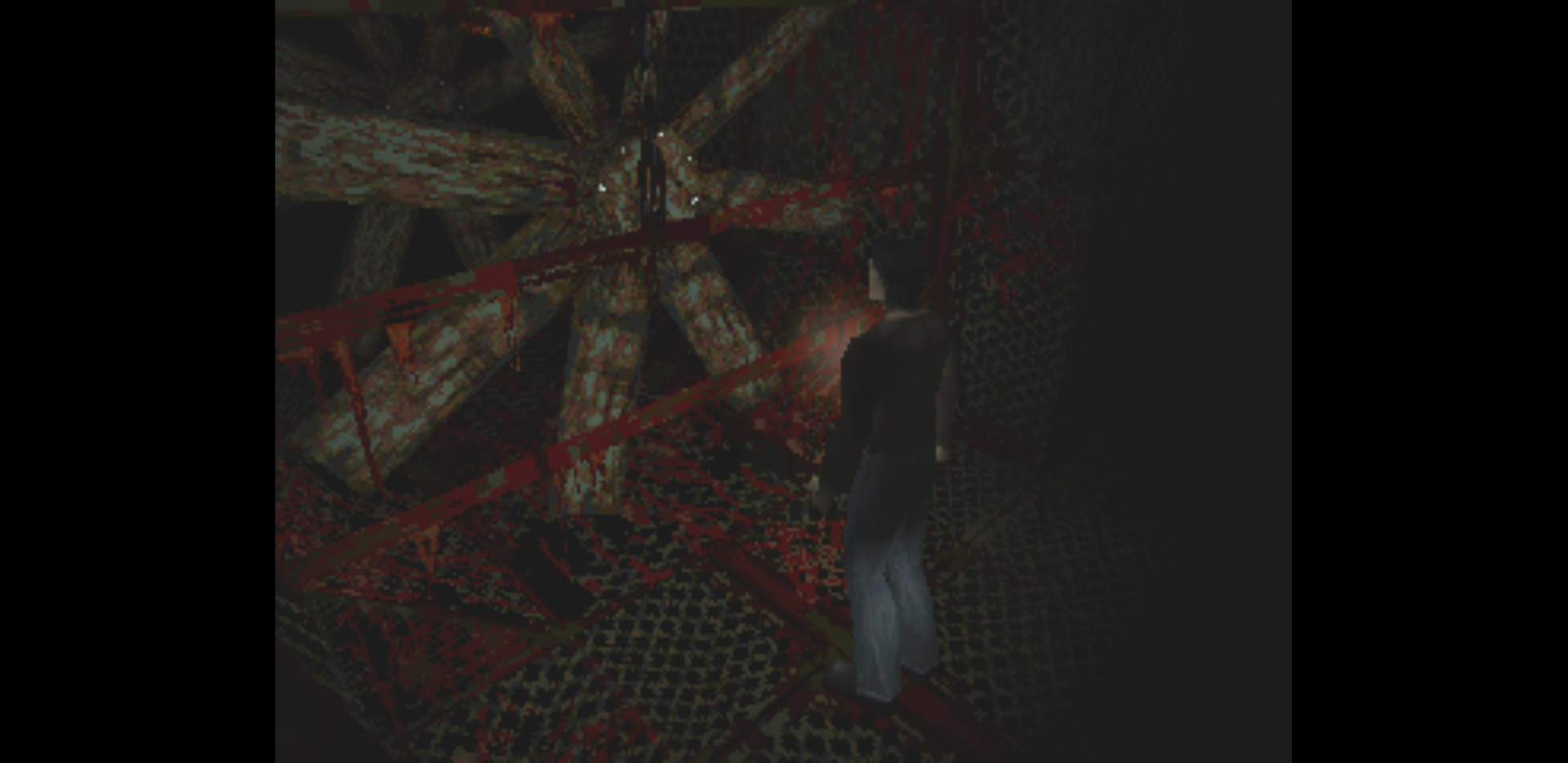
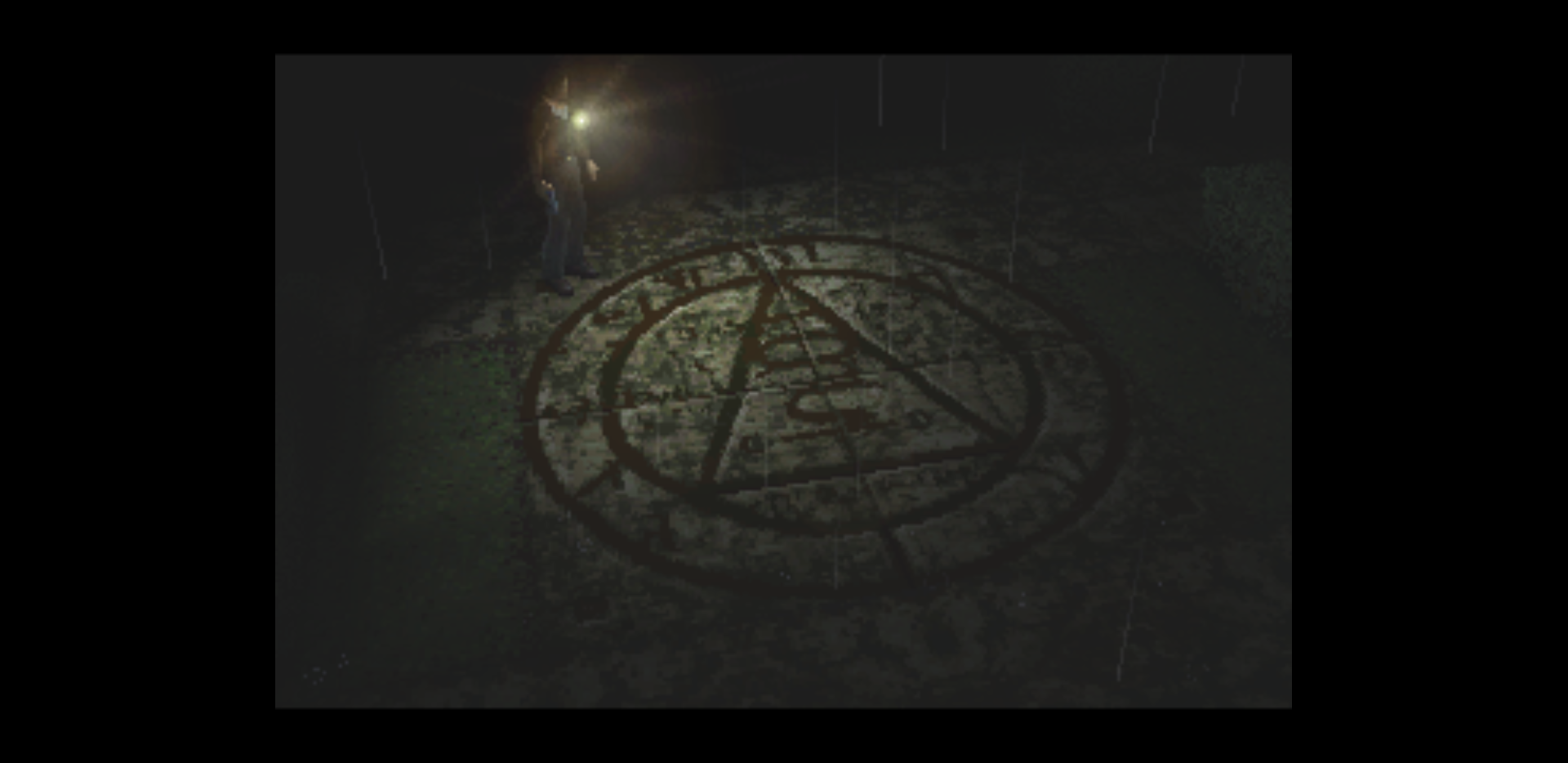
Technical limitation, too, fundamentally defines Silent Hill. The game’s visual design is rooted in early 3D: jagged lines and harsh polygonal graphics. The Otherworld segments are the game’s most effective moments of horror precisely for this reason. The player is plunged into a twisting dreamscape of scar tissue and flame, seared and wounded and broken. The abstraction necessitated by the PlayStation hardware renders the imagery indefinable and uncanny: transmissions from an alien world, sinister symbols wrenched from a dream. Graphical fidelity cannot compete with the sheer strangeness of this universe. You aren’t just transported to this bizarre new world, but are compelled to venture further into it. In spite of your fear, you push on.
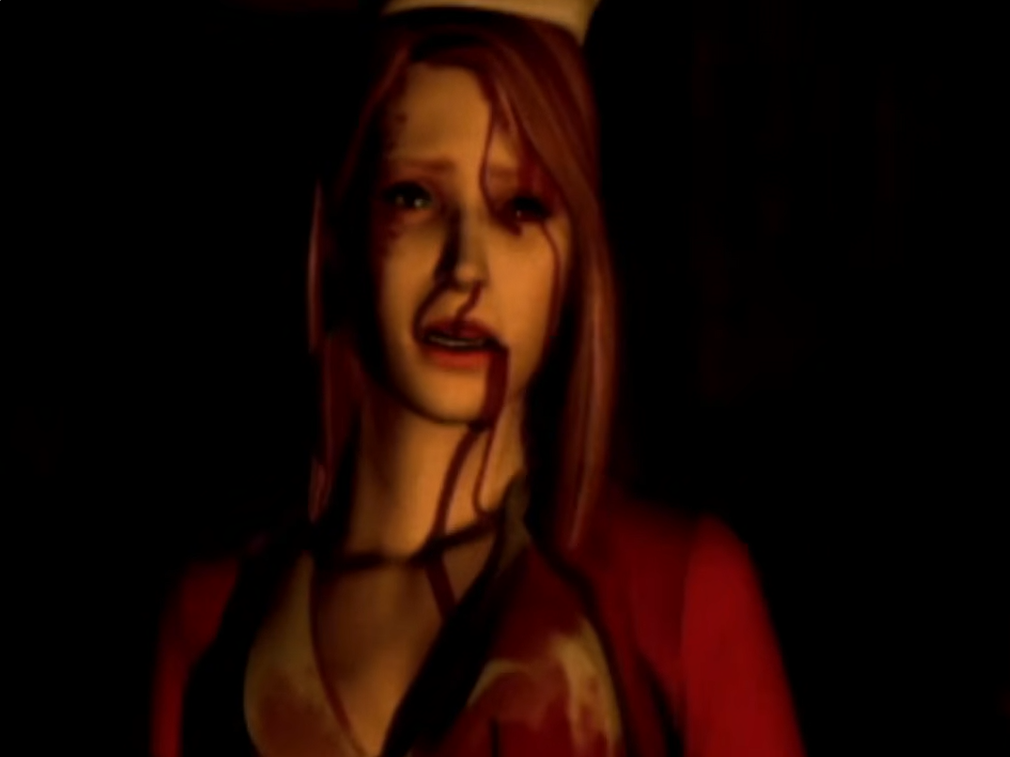
I’d even argue that the game’s most effective dramatic moment - the death of Lisa Garland - is enhanced by grappling with technical limitations. Yamaoka’s score, paired with the slow death of this innocent young woman Harry finds himself unable to save, creates an unforgettable moment of psychological horror, heart-wrenching and lingering. Anticipation for how the remake will handle this pivotal moment is high - and little wonder! But I believe the lasting effect this scene creates is enhanced by the layers of abstraction the game employs throughout.
For most of the game, Lisa Garland is rarely little more than a collection of sharp polygons, an imitation of a person. The narrative invests her with a tangible reality, but the game-world still distances her from us. Then, in her final moments, the FMV flares into life; blood trickles down her face - in small bursts, then in geysers. She stumbles and shambles in and out of frame, totally unable to accept or control just what is happening to her. All the time, staring us directly in the face. Not a game character any longer. Flesh and blood. Human.
This is an uncanny, uniquely affecting moment that cannot be replicated through strict graphical realism. There are only a few moments in which the game is able to render its world in anything resembling life-like detail - and that limitation is instrumental to this scene’s ultimate impact. Like transitioning to and from the Otherworld, it is a movement between realities - a sudden, sharp shock that reminds us of Lisa’s humanity.
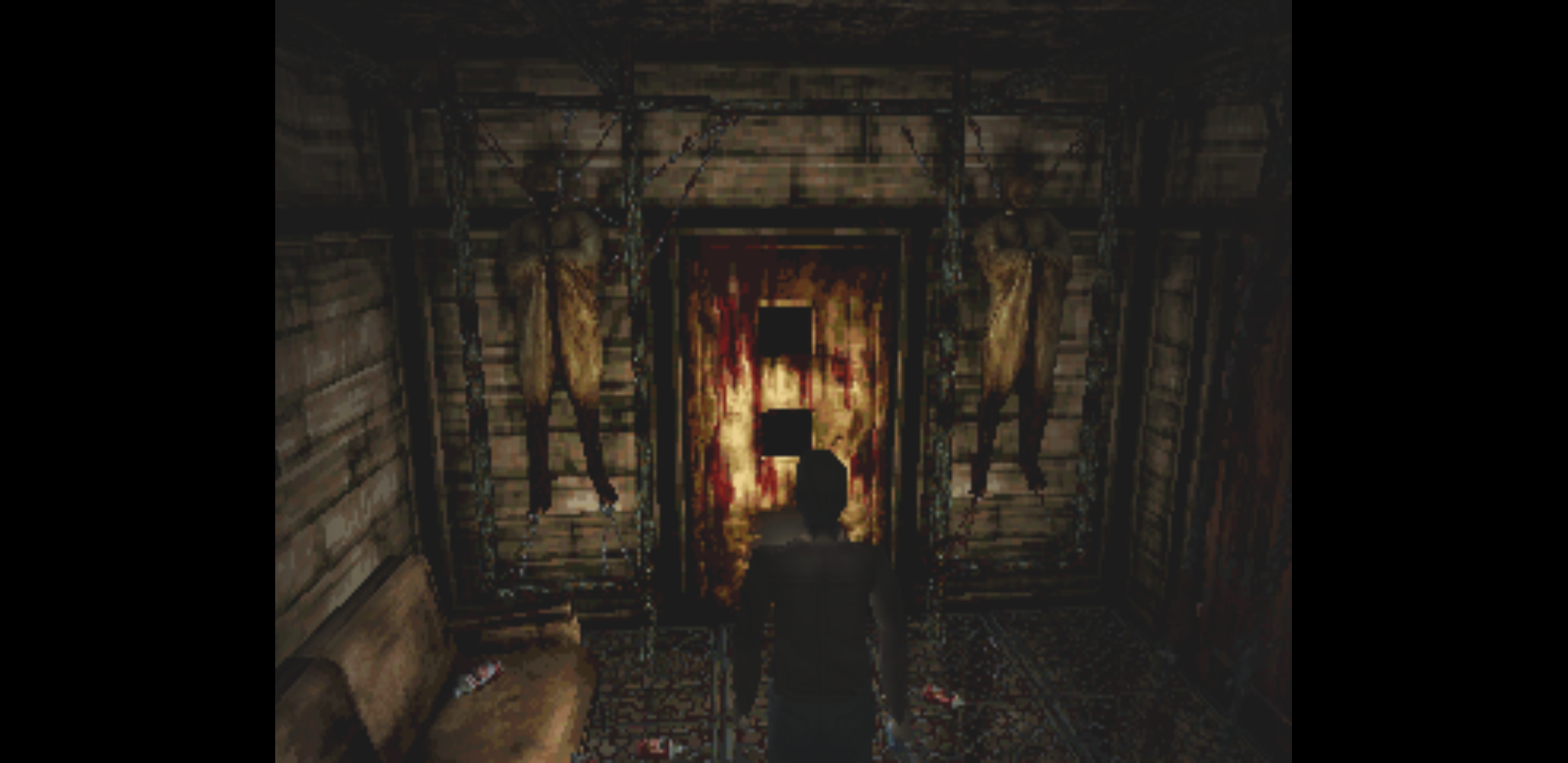
Silent Hill is hardly flawless. The game’s focus on establishing a dissonant and disorienting atmosphere seeps a little too often into the game design, with certain end-game locations proving incredibly (if intentionally) frustrating to navigate. Moreover, whilst I see the twisting, hazy narrative style as a virtue, there is something to be said for how subsequent games prioritized in-depth character work over atmospheric intrigue and mystique.
But there is still something special about the original release. Unfortunately, with each passing day, it becomes harder and harder to access officially. It’s my hope that Bloober Team's remake will revitalise interest in the original - wouldn’t a modern re-release be lovely? - and the two can be more easily compared and contrasted. Then I have to remind myself that Konami is at the helm here, and I must necessarily remark on the miracle of receiving a game like Silent Hill at all.
Perhaps Konami intends for the original Silent Hill to become little more than a lost memory, a nightmare that shocks and slowly fades away. The games industry has an unfortunate tendency to discard and rewrite what is considered antiquated. Despite my skepticism, though, this is not a rallying cry to disregard the remake before it has even released. But the demands of a remake dictate that Bloober Team follow a template, that they stick to a script written before the studio’s formation. These are not the conditions of struggle, limitation, and innovation under which the original game was formed. Silent Hill remains well worth playing: for its mastery of horror, for its haunting narrative, for its suffocating atmosphere, for its creativity and experimentation. These are not things that should be so easily forgotten; these are not things so easily replicated with modern computers and a gaze fixed on the past.
Learn more about Silent Hill by visiting the official website.
Will you be revisiting Silent Hill? Share with us in the comments.
MORE REVIEWS LIKE THIS

I'm not one who favors this genre of atmospheric puzzle platformers, but the visuals and pretense of running from danger lured me in.